
The $25 Trillion Club: How the World’s 10 Biggest Tech Giants Now Control Everything
Countries no longer run Bhavik, the global economy – it’s run by ten tech giants who have quietly built a $25 trillion digital empire. Think about it, my friend: Their combined market value is now greater than the entire GDP of the United States.
The world’s 10 largest tech companies control the global economy through artificial intelligence, semiconductors, cloud computing, and digital ecosystems. Valued at over $25 trillion combined, these corporate giants are no longer just software and retail platforms; they own the foundational infrastructure that drives the modern world.
Table of Contents: What We Cover
Top 10 Tech Company’s
They no longer sell phones or host websites; they literally own the foundational pipes, cloud servers, and artificial intelligence infrastructure that keep our modern world running. From microchips designed by Nvidia to data centers run by Microsoft and Amazon, these companies control the fabric of how billions of people communicate, trade, and live every day. Look at how our daily lives in Bhavnagar are shaped by these gatekeepers, without us even realizing it.

Every time we search for something on Google, scroll through Instagram, or tap our phones, we feed a massive data loop that consolidates their power and locks us into their ecosystem. We’re seeing a major shift in wealth — like Nvidia skyrocketing above its peers — as the world moves toward autonomous systems and generative AI. They own the hardware, software, and data, giving them unprecedented levels of control over global wealth and human attention.
Why $25 Trillion Changes Everything
Let’s start with a number that’s almost too big to wrap your head around: $25 trillion.
That’s not the GDP of a country. That’s not the annual budget of a continent. That is the combined market value of just ten technology companies — sitting right now, in 2026, controlling the digital infrastructure that billions of people use every single day.
To put it in perspective: the entire GDP of the United States — the world’s largest economy — is roughly $28 trillion. The top 10 tech companies are worth nearly as much as every good, service, and product produced by 330 million Americans in a full year. And they did it in less than a generation.
Key Insight
The top 10 largest publicly traded corporations now account for 22% of total global market cap — an unprecedented concentration of corporate value in the history of modern finance. This isn’t just a Wall Street story. It’s a story about who controls AI, data, cloud infrastructure, and your attention.
This didn’t happen overnight. For years, these companies quietly built the invisible rails of the internet — search engines, app stores, cloud servers, advertising networks, and chip factories. Then artificial intelligence arrived. And suddenly, those rails became gold.
The AI boom that began in 2022 with ChatGPT has acted like a financial supernova. Companies that were already big became astronomically large. Nvidia went from a $300 billion company to over $4.6 trillion in just four years — the single fastest wealth creation in stock market history. And the race isn’t over. If anything, it’s just getting started.
In this article, we break down exactly who these 10 companies are, what makes each of them so powerful, and — most importantly — how together they’ve quietly taken control of the technology that shapes your daily life.
The Top 10 Leaderboard (May 2026)
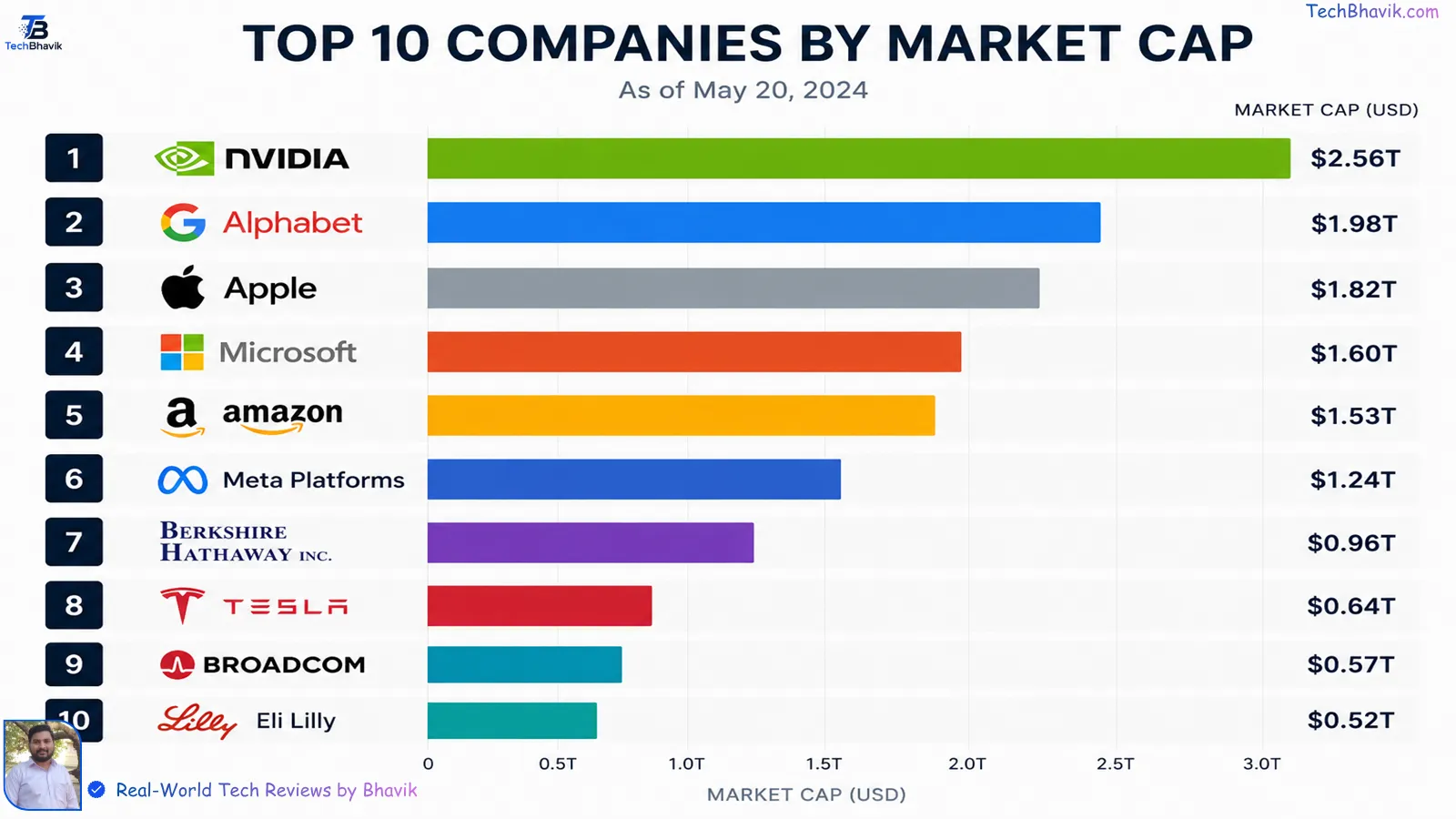
Here are the world’s 10 most valuable tech companies, ranked by market capitalization as of May 2026. These numbers fluctuate daily, but the companies at the top of this list have been remarkably stable — and growing.
| Rank | Company | Market Cap | Core Business | Country |
|---|---|---|---|---|
| 1 | Nvidia | ~$4.6T | AI Chips |  USA USA |
| 2 | Alphabet GOOGL | ~$3.89T | Search · AI · Cloud | USA |
| 3 | Apple AAPL | ~$3.81T | Devices · Services | USA |
| 4 | Microsoft MSFT | ~$2.85T | Cloud · Enterprise AI | USA |
| 5 | Amazon AMZN | ~$2.58T | Cloud · E-Commerce | USA |
| 6 | Meta META | ~$1.55T | Social · AI Ads | USA |
| 7 | TSMC TSM | ~$1.92T | Chip Manufacturing |  Taiwan Taiwan |
| 8 | Broadcom AVGO | ~$0.96T | Networking Chips | USA |
| 9 | Oracle ORCL | ~$0.62T | Cloud · Database AI | USA |
| 10 | Tesla TSLA | ~$0.58T | EVs · AI Robotics | USA |
Source: AlphaSense, Motley Fool, businessstats.com · Market caps are approximate and fluctuate daily · Data as of May 2026
Worth Noting
Nine out of ten companies on this list are American. The one exception is TSMC — a Taiwanese company that manufactures the chips that power all the others. That geographic concentration raises serious questions about resilience, geopolitics, and what happens if the US-China tech rivalry escalates further.
1. Nvidia — The AI Arms Dealer of the 21st Century
Rank #1 · Most Valuable Company on Earth
Nvidia NVDA
~$4.6T Market Cap
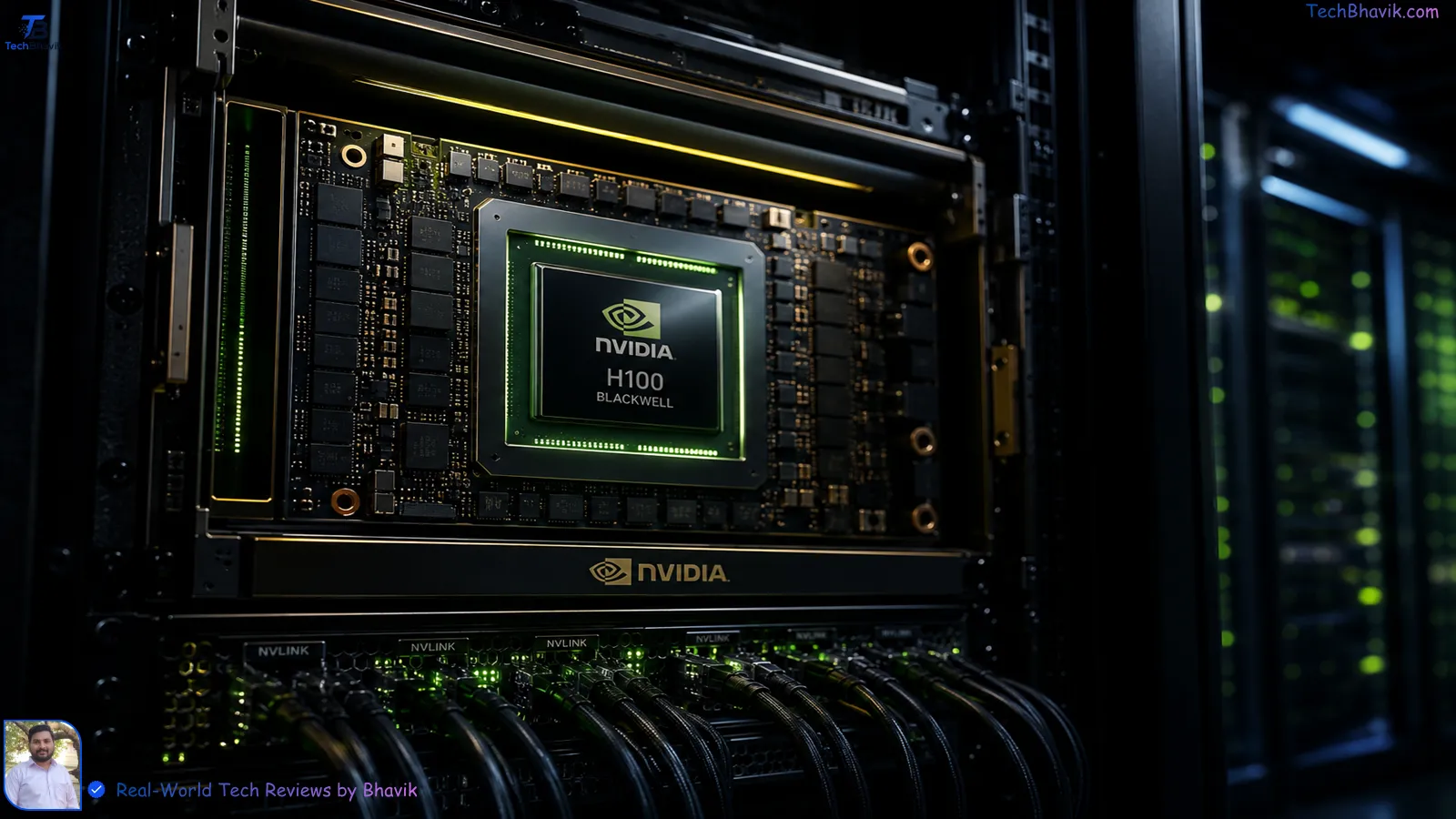
If you want to understand the AI revolution, you need to understand Nvidia first. Every major AI system you’ve ever used — ChatGPT, Gemini, Copilot, Meta AI, Grok — was trained on Nvidia’s graphics processing units (GPUs). The company didn’t create artificial intelligence, but it built the engine that makes AI run.
Four years ago, Nvidia was worth $300 billion — a successful but unremarkable semiconductor company known primarily for gaming graphics cards. Then the AI boom hit, and everything changed. Today Nvidia sits at $4.6 trillion, making it the most valuable company in the world and the first to ever cross the $4 trillion milestone. That’s not just growth. That’s the single fastest large-scale wealth creation in stock market history.
The secret? Data centers. Nvidia’s H100 and Blackwell GPU chips are the picks and shovels of the AI gold rush. Every tech giant — Google, Microsoft, Amazon, Meta — is spending tens of billions buying Nvidia’s hardware. Data center revenue now makes up 87% of Nvidia’s total business, and the company generated approximately $130 billion in revenue in fiscal year 2025 — growing at over 100% year-over-year.
As one analyst put it, Nvidia is the “arms dealer of the digital age” — it doesn’t take sides in the AI wars between Google, OpenAI, and Microsoft. It simply sells the weapons to everyone.
$4.6T Market Cap $130B FY2025 Revenue 100%+ Revenue Growth 87% Data Center Revenue 10x Growth in 4 years
2. Apple — The Silent Controller of 2.2 Billion Devices
Rank #3 · World’s Most Valuable Hardware Company
Apple AAPL
~$3.81T Market Cap
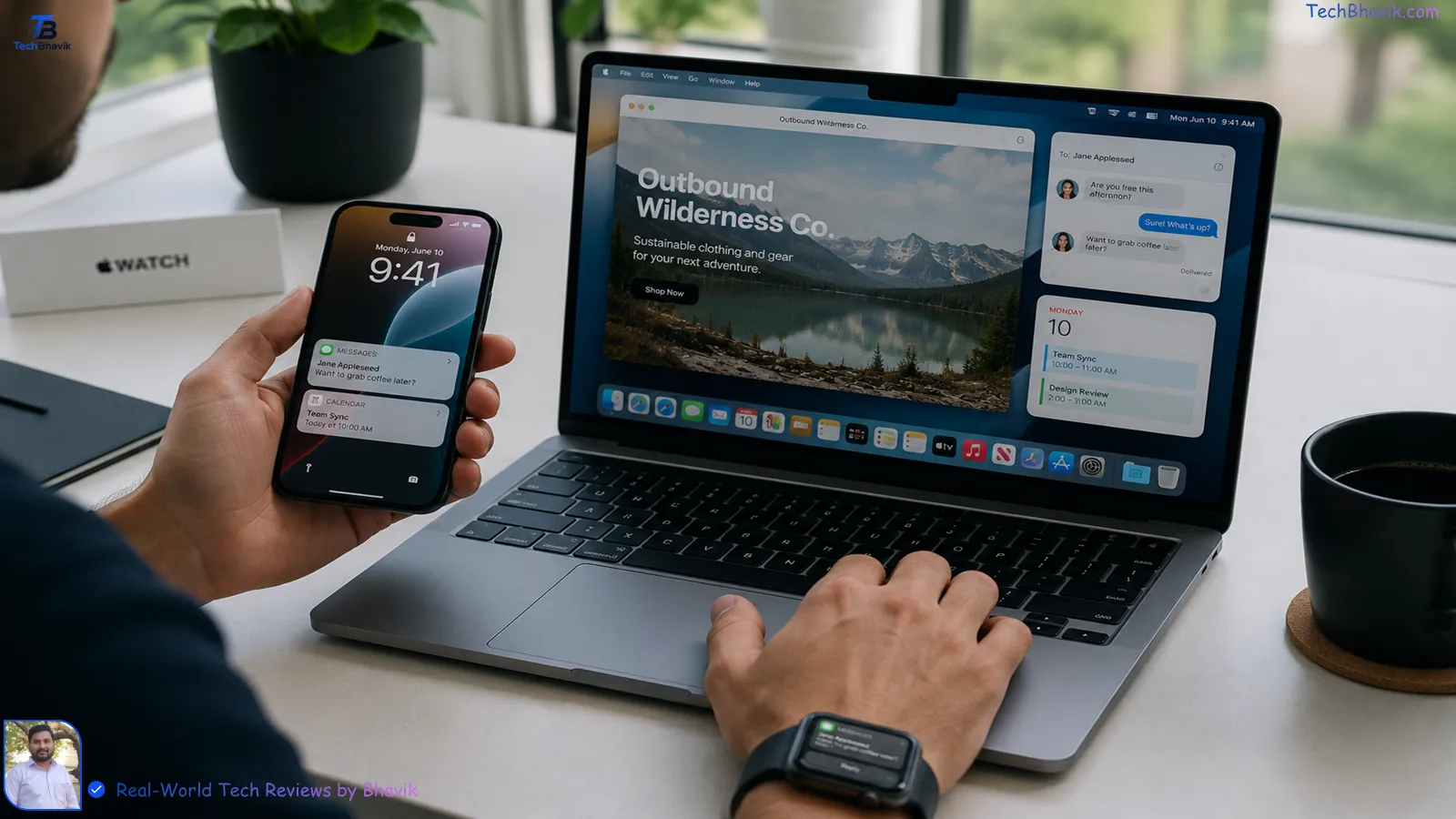
Apple doesn’t talk loudly. It doesn’t need to. With 2.2 billion active devices in people’s hands, bags, wrists, and ears worldwide, Apple has built the most valuable and loyal customer ecosystem in human history — and now it’s quietly transforming into an AI powerhouse.
Most people still think of Apple as a phone company. But Apple’s real business in 2026 is services. The App Store, Apple Music, iCloud, Apple Pay, Apple TV+ — these services now generate over $100 billion annually. Every time you pay with your iPhone, stream a song, or download an app, Apple takes a cut. And because the iPhone is how billions of people access the internet, Apple effectively controls the toll booth of the mobile economy.
The next chapter is on-device AI. Apple’s deal with Google to use Gemini for a major Siri overhaul signals that the company is serious about AI — but on its own terms. Apple’s focus is privacy-first, on-device AI processing, which many users increasingly prefer over cloud-dependent alternatives. The hardware upgrade cycle this creates is enormous: hundreds of millions of existing iPhone users will eventually upgrade to AI-capable devices.
2.2B Active Devices $100B+ Services Revenue #1 Most Profitable Phone Maker AI Siri Overhaul Underway
“Nine out of ten of these companies are American. Together they represent more value than the entire US economy produces in a year.”
3. Alphabet — Google’s Parent Is Building the AI Future Quietly
Rank #2 · Search + Cloud + AI Powerhouse
Alphabet GOOGL
~$3.89T Market Cap
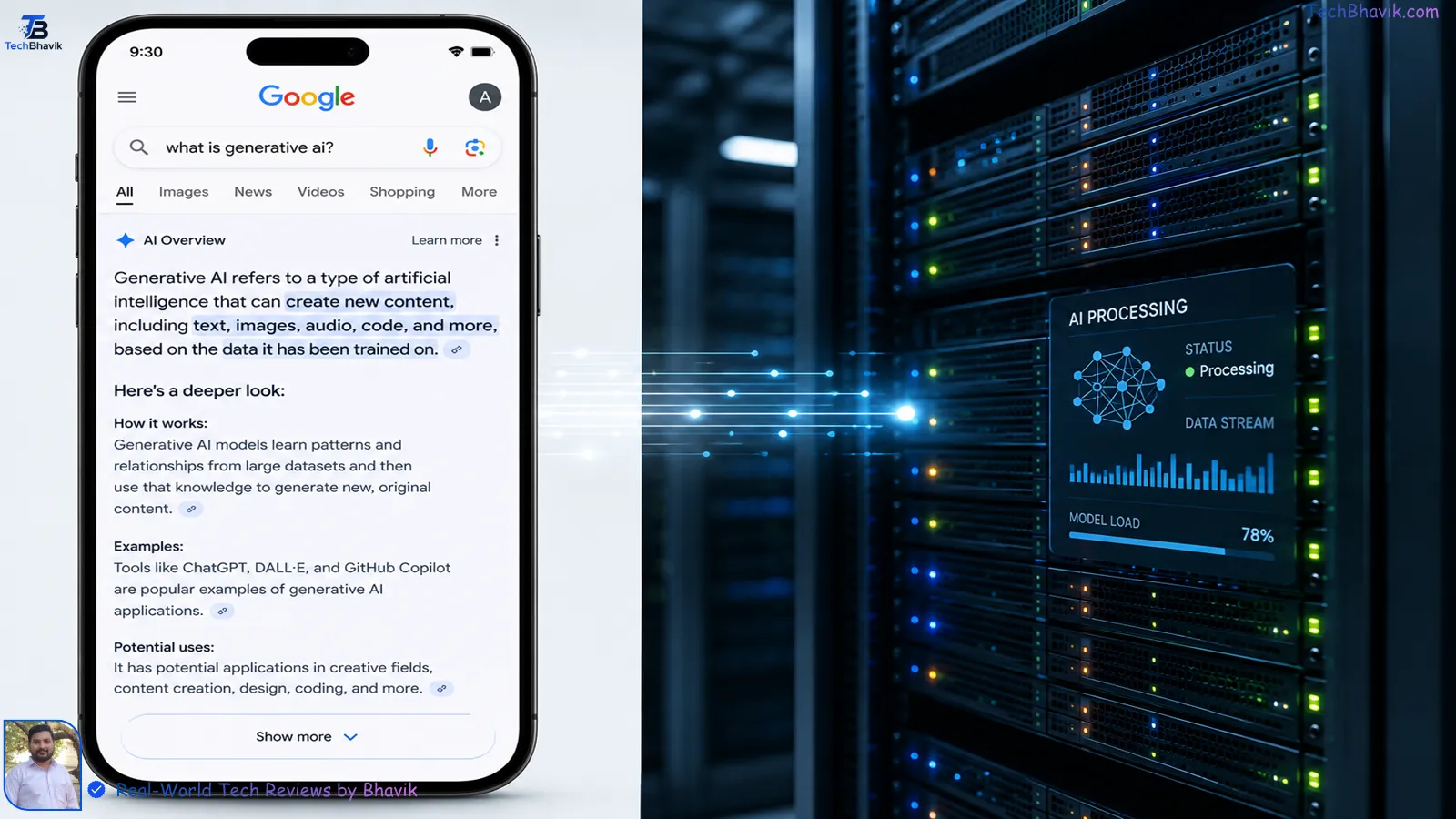
You’ve searched on Google. You’ve watched a YouTube video. You’ve used Google Maps to navigate a city. You’ve emailed through Gmail. If you do even two of those things, you’ve touched Alphabet’s products today — and that’s true for over 4 billion people on Earth.
But Google’s AI story goes far deeper than Search. The company planned to invest between $91–93 billion in capital expenditure in 2025, with analysts expecting over $115 billion in 2026 spending — all directed toward AI infrastructure, cloud capacity, and custom chip development. Alphabet’s custom Tensor Processing Units (TPUs) are being developed specifically to reduce dependence on Nvidia hardware, which would give Google a massive cost advantage in AI.
And then there’s the Gemini AI model. Google’s deal with Apple to power Siri is a landmark moment — it means the AI inside a billion iPhones could be built on Google technology. Meanwhile, Google’s AI Overviews feature in Search now serves over 1 billion monthly users, fundamentally reshaping how people find information online.
$3.89T Market Cap $115B+ 2026 AI Capex 1B+ AI Overview Users Gemini 3 Powers Apple Siri YouTube + Maps + Gmail
4. Microsoft — The Quiet Giant Embedding AI Into Everything
Rank #4 · Enterprise AI & Cloud Leader
Microsoft MSFT
~$2.85T Market Cap
Here’s something that would have seemed absurd 10 years ago: Microsoft is now one of the coolest companies in tech. The same company that made Windows Vista and Internet Explorer has executed one of the most remarkable corporate transformations in business history — and it all comes down to a bet on AI and cloud that CEO Satya Nadella made years before anyone else saw it coming.
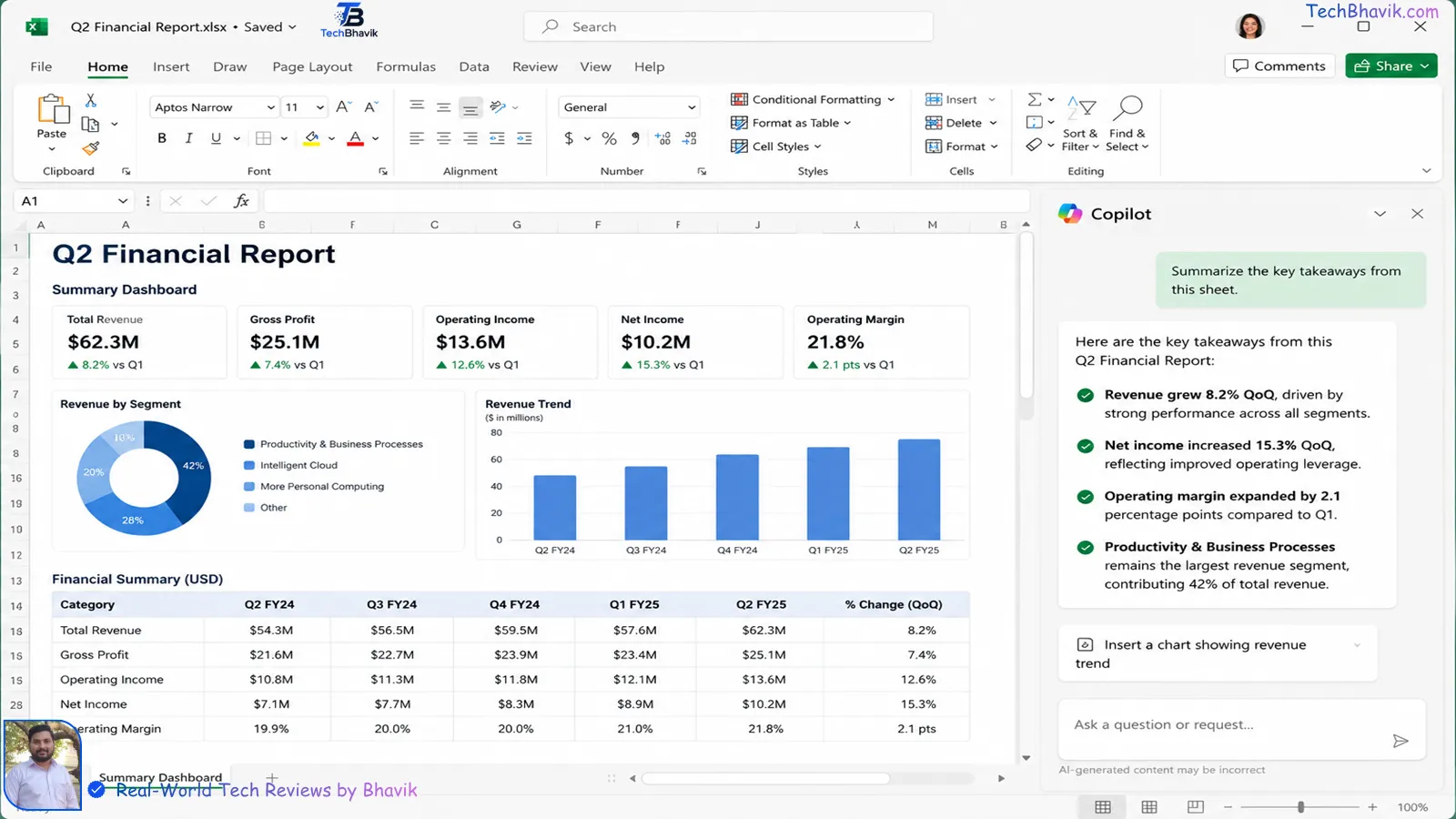
Microsoft invested early and heavily in OpenAI — the company behind ChatGPT — and that bet has paid off in extraordinary ways. Microsoft Copilot, the AI assistant embedded across Word, Excel, PowerPoint, Teams, and Outlook, has crossed $10 billion in annual recurring revenue. Every Fortune 500 company that uses Microsoft Office 365 is a potential Copilot customer, and that market is massive.
Meanwhile, Azure — Microsoft’s cloud platform — continues to grow rapidly, with AI workloads driving accelerating demand. Microsoft’s ability to embed AI into the enterprise workflow through Azure and Office 365 means it generates high-margin, subscription-based revenue at scale. For businesses, switching away from Microsoft is extremely painful. That lock-in effect is Microsoft’s most valuable competitive asset.
$10B+ ARR Copilot $80B AI Capex Plan Azure Fastest-Growing Cloud OpenAI Major Investor
5. Amazon — The Company That Owns the Internet’s Plumbing
Rank #5 · Cloud Infrastructure Kingpin
Amazon AMZN
~$2.58T Market Cap
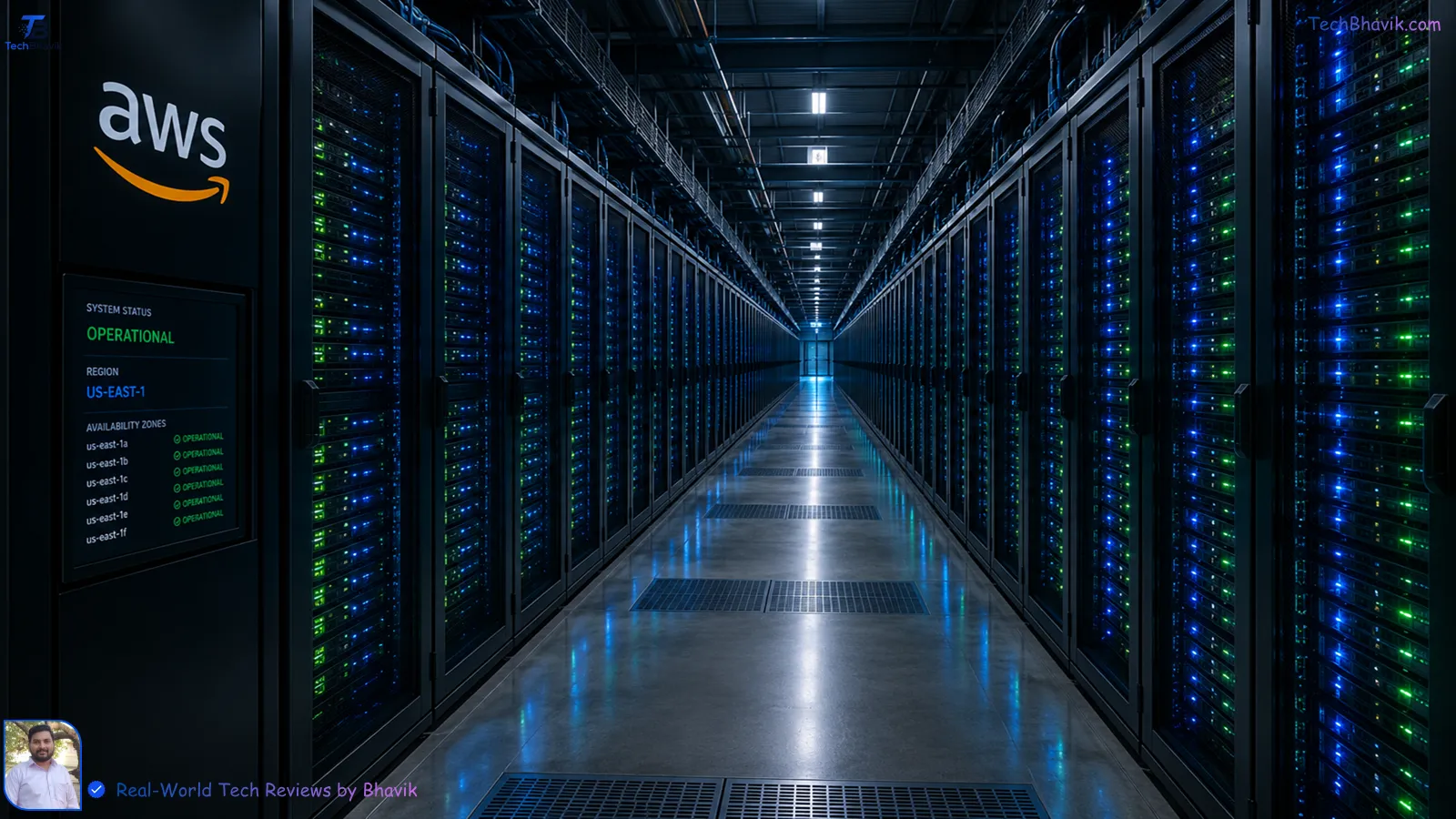
Most people think of Amazon as the company that delivers packages to your door. But Amazon’s real power in 2026 isn’t in retail. It’s in the invisible infrastructure that powers a significant portion of the internet itself — Amazon Web Services (AWS).
AWS is the world’s largest cloud computing platform, and it has become the backbone for thousands of businesses, startups, government agencies, and yes, even competitors. Netflix runs on AWS. Airbnb runs on AWS. A huge chunk of the websites and apps you use daily are hosted on Amazon’s servers. When AWS goes down — even for an hour — entire sectors of the internet feel it.
The AI tailwind for AWS has been remarkable. AWS generated a record $33 billion in revenue in a single quarter of 2025, growing 20% year-over-year. Even more staggering: AWS has a $200 billion order backlog from customers waiting for more data center capacity to come online. Amazon is spending $100–105 billion in capital expenditure in 2025 — more than any other tech company — almost entirely to build new data centers and AI infrastructure.
$33B AWS Quarterly Revenue $200B Order Backlog $100-105B 2025 Capex 20% AWS YoY Growth 65% of Profit from AWS
6. Meta — 3 Billion Users, One Advertising Machine
Rank #6 · Social Media + AI Advertising Giant
Meta Platforms META
~$1.55T Market Cap
If you have a Facebook account, an Instagram account, or a WhatsApp number — and statistically, there’s a very good chance you have at least one of those — then you are one of Meta’s 3+ billion daily active users. You’re also, to put it bluntly, part of Meta’s product.
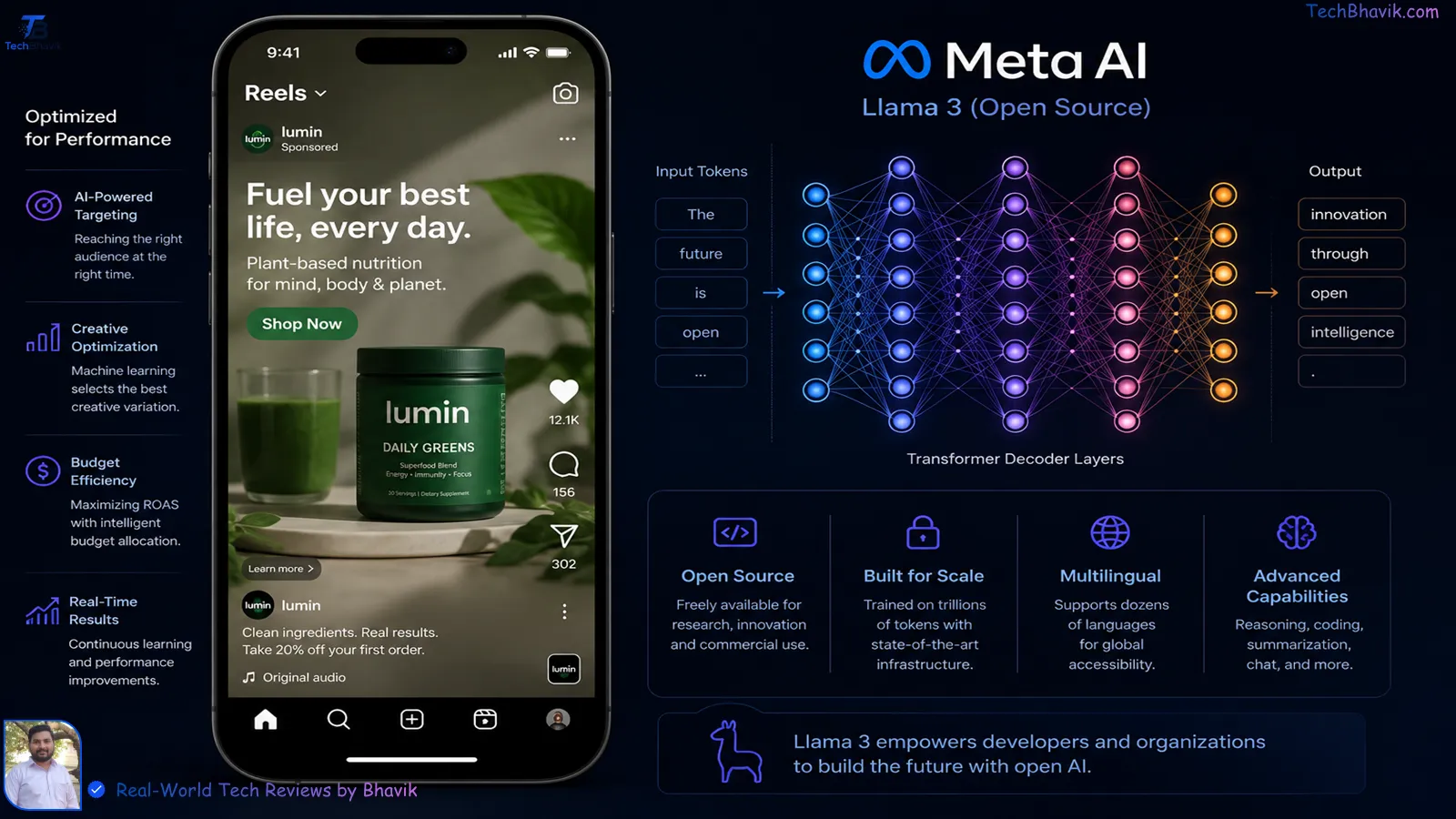
Meta’s business is advertising, and it is extraordinarily good at it. The company used its Llama 4 open-source AI model to revolutionize its advertising bidding system, leading to a significant increase in ROI for advertisers. That means brands are getting more value from Meta ads, which means they spend more, which means Meta earns more. It’s a feedback loop that makes Meta’s advertising moat extremely hard to attack.
Meta is also spending heavily — $60–65 billion in capital expenditure for 2025, with signals of an even larger spend in 2026. Mark Zuckerberg has made it clear that he believes Meta’s long-term future runs through AI. The company’s open-source strategy with Llama models has been a surprise competitive advantage: by giving the AI away for free, Meta ensures that the broader developer ecosystem builds on its technology stack, creating stickiness that money can’t easily buy.
3B+ Daily Active Users Llama 4 Open-Source AI $60-65B AI Capex 2025 40%+ Instagram Reels Growth FB + Instagram + WhatsApp
TSMC, Broadcom, Oracle & Tesla: The Rest of the Club
The top 6 get all the headlines, but the remaining four members of this club are just as fascinating — and in some ways, more strategically critical.
7. TSMC — The Most Important Company Nobody Talks About
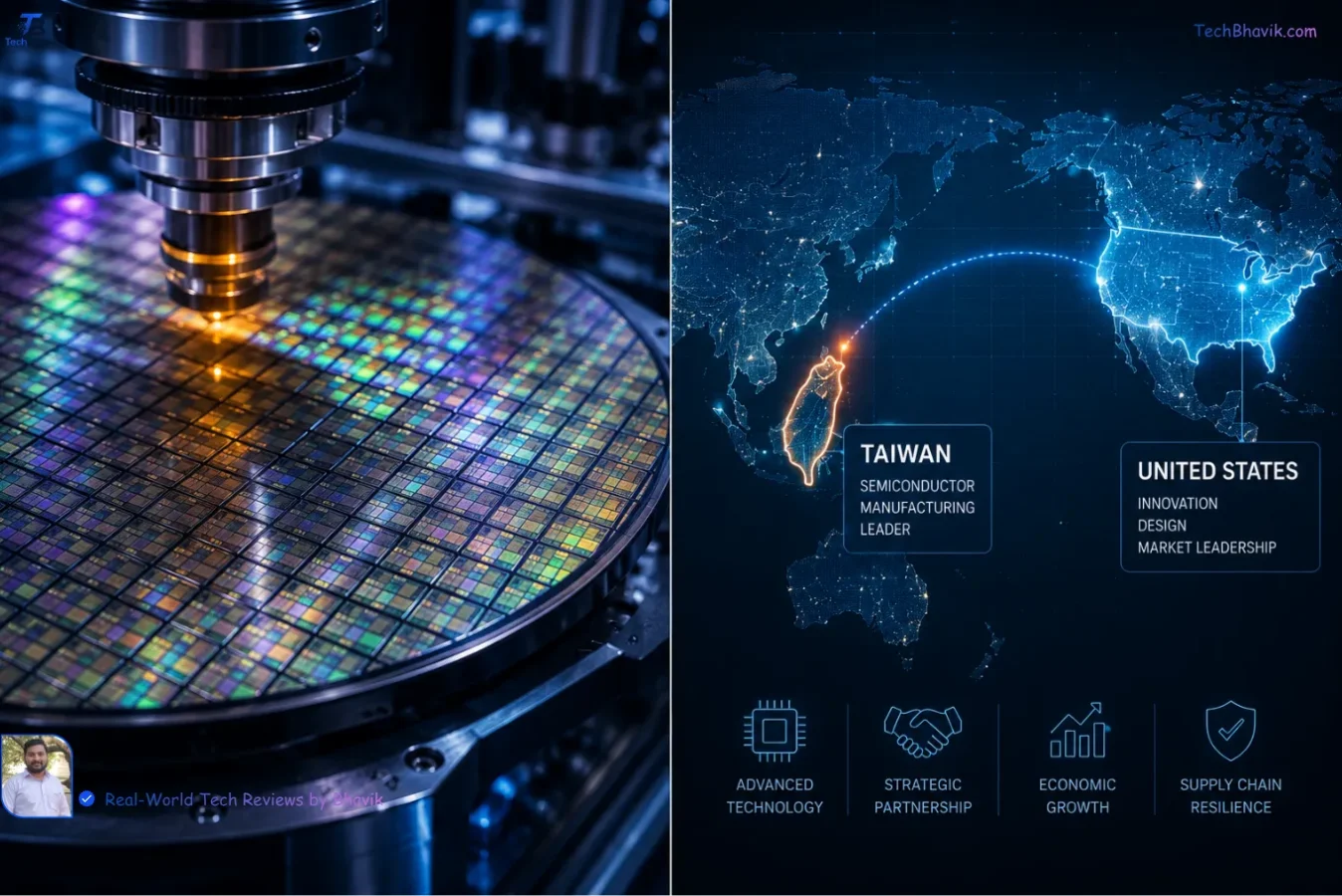
Taiwan Semiconductor Manufacturing Company sits at approximately $1.92 trillion in market cap and may be the single most strategically important company on this entire list. TSMC doesn’t design chips — it manufactures them. Nvidia’s AI chips? TSMC makes them. Apple’s M-series processors? TSMC. Most of Qualcomm’s chips? TSMC. The company makes roughly 90% of the world’s most advanced semiconductors, all from a small island that sits directly in the crosshairs of the US-China geopolitical standoff.
8. Broadcom — The Invisible Network Giant
At roughly $960 billion in market cap, Broadcom makes the networking chips that connect AI data centers together. Without Broadcom’s technology, all of Nvidia’s AI chips would be isolated islands of processing power. As AI infrastructure spending accelerates, Broadcom’s role becomes more essential — and its valuation reflects that growing importance.
9. Oracle — The Unexpected AI Comeback Story
Oracle was supposed to be yesterday’s news — a legacy database company fighting irrelevance. Instead, it’s become one of the most unexpected success stories in enterprise AI. With ~430,000 customers across 175 countries, Oracle’s cloud business has been transformed by AI demand. Oracle is also a technology partner in the Stargate Project alongside OpenAI and SoftBank — a venture expected to invest $500 billion into US AI infrastructure.
10. Tesla — Cars, AI, and Robotics
Tesla’s valuation at ~$580 billion is harder to justify on car sales alone. What investors are actually betting on is Elon Musk’s broader vision: autonomous driving, the Optimus humanoid robot, and a potential future where Tesla becomes an AI and robotics company that also happens to sell electric vehicles. Whether that bet pays off remains one of the most debated questions in investing.
The Real Race Beneath the Surface
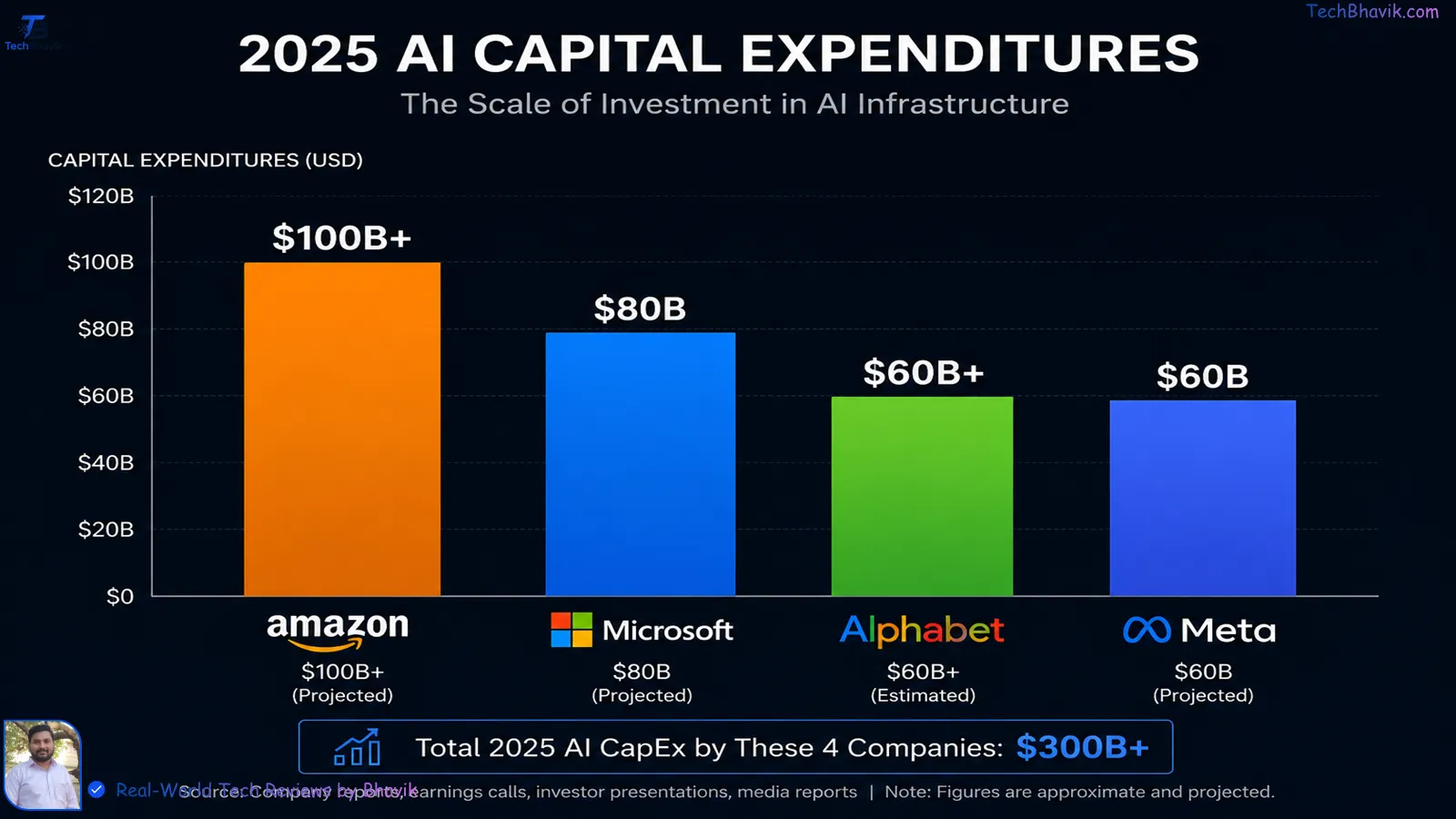
What’s striking about all 10 companies is how their capital expenditure plans are converging on the same bet: AI infrastructure. Amazon, Google, Microsoft, and Meta collectively spent over $251 billion on capex in 2024 — a 62% jump from $155 billion the year before. They are all buying Nvidia chips, building data centers, and hiring AI researchers at a pace that would have seemed science fiction five years ago.
What Does This Really Mean for You?
Here’s the honest question we should all be asking: when ten companies collectively control the AI infrastructure, the cloud, the search engines, the social networks, the app stores, the chip factories, and the advertising networks of the modern world — what does that mean for the rest of us?
There are two very different ways to look at it.
The Optimistic View
These companies exist because they provide genuine, extraordinary value. Google’s search engine, for all its flaws, remains a miracle of information access that would have seemed like science fiction to researchers 30 years ago. AWS allows a two-person startup in Mumbai to access the same computing infrastructure as a Fortune 500 company. Apple’s iPhone put a supercomputer in billions of pockets. The efficiency and innovation these platforms enable is real, widespread, and broadly positive.
The Realistic Concern
When this much economic power concentrates in this few hands, the risks are also real. Regulatory scrutiny is intensifying globally — from the EU’s Digital Markets Act to US antitrust cases targeting Google’s search monopoly and Apple’s App Store practices. The geopolitical concentration of most of this power in the United States (and TSMC in Taiwan) creates fragility in an increasingly fractured global order. And the sheer scale of AI infrastructure spending — $251 billion in capex in a single year — raises legitimate questions about who actually benefits from the AI future being built right now.
What seems clear is this: the companies on this list aren’t just businesses. They are, for all practical purposes, the infrastructure of modern life. And as AI becomes more deeply embedded in every industry — healthcare, education, finance, transportation, government — their influence will only grow.
The $25 trillion club is not a peak. It’s a foundation.
Frequently Asked Questions by TechBhavik
Q1. Which is the most valuable tech company in the world in 2026?
As of May 2026, Nvidia holds the top spot as the most valuable tech company — and the most valuable company of any kind — with a market cap of approximately $4.6 trillion. Nvidia became the first company in history to cross the $4 trillion milestone, driven by insatiable demand for its AI chips from every major technology company on the planet.
Q2.What is the combined market cap of the top 10 tech companies in 2026?
The top 10 tech giants collectively represent over $25 trillion in market capitalization as of 2026. To put that in perspective, the entire GDP of the United States — the world’s largest economy — is approximately $28 trillion. The concentration of this much value in just 10 companies is unprecedented in the history of global financial markets.
Q3. What are the Magnificent Seven tech stocks?
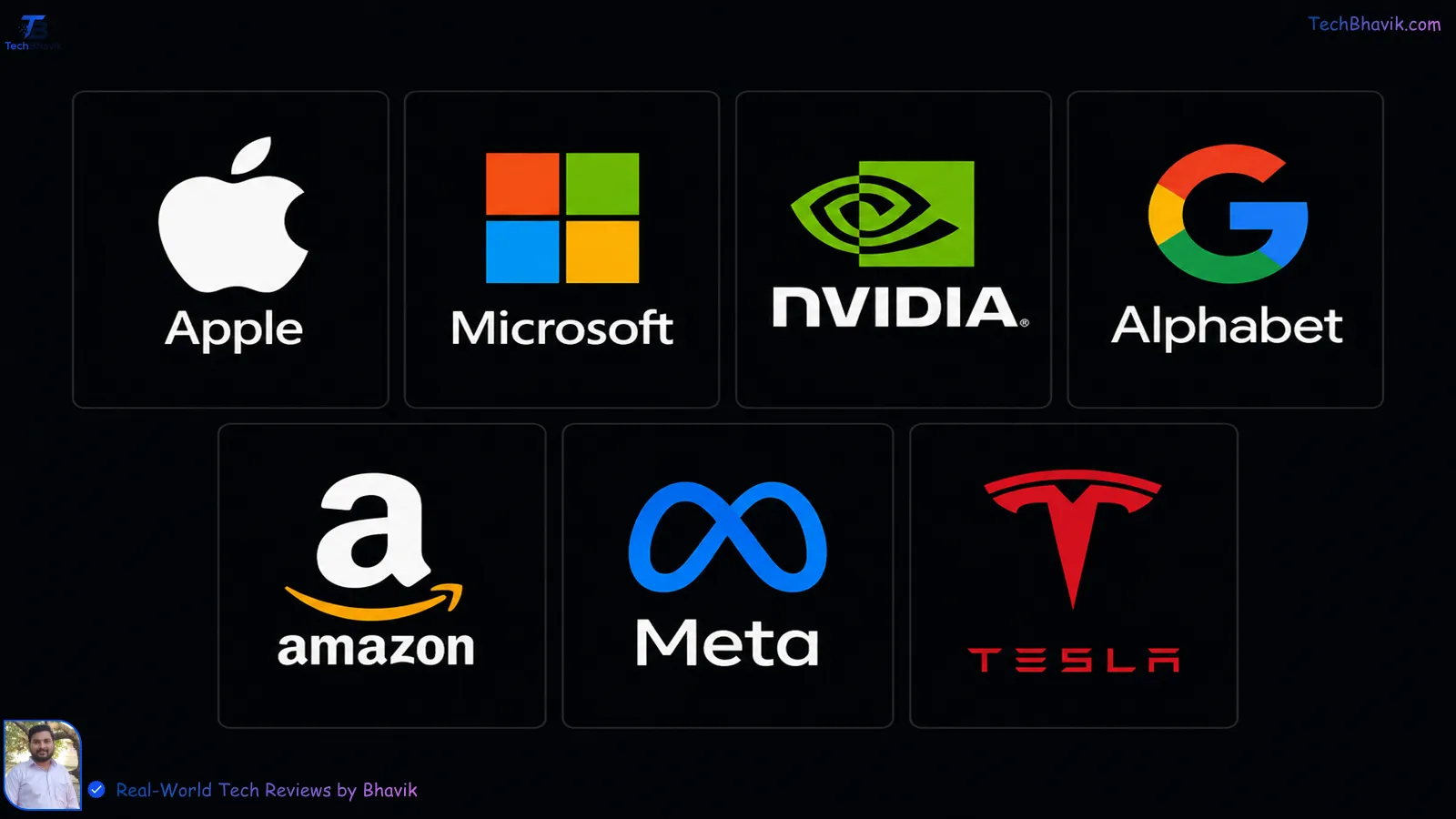
The Magnificent Seven are Apple, Microsoft, Nvidia, Alphabet (Google), Amazon, Meta Platforms, and Tesla. Together they represent over $16 trillion in combined market cap — approximately 13% of total global equity value. The term reflects their outsized influence on index fund performance and their dominant positions in AI, cloud, consumer tech, and digital advertising.
Q4. Why is Nvidia worth more than Apple and Microsoft?
Nvidia’s extraordinary valuation reflects its near-monopoly position in AI training hardware. Its data center GPUs — particularly the H100 and Blackwell architectures — are the essential, irreplaceable tools for building every major AI model. Revenue grew over 100% year-over-year in fiscal 2025 to approximately $130 billion, and every major tech company (Google, Microsoft, Amazon, Meta) is spending billions buying Nvidia chips. There is currently no comparable alternative at scale.
Q5. How much are the big tech companies spending on AI in 2025?
The scale of AI investment is staggering. Amazon leads with $100–105 billion in capital expenditure planned for 2025. Microsoft is at $80 billion. Alphabet is pushing $75–93 billion. Meta is spending $60–65 billion. Together, just these four companies planned to spend over $300 billion on AI infrastructure in 2025 — mostly on data centers, Nvidia GPUs, custom chips, and power infrastructure. This represents a 62% acceleration from 2024 levels.
Q6. Is TSMC in the top 10 most valuable tech companies?
Yes. Taiwan Semiconductor Manufacturing Company (TSMC) is one of the most strategically critical companies in the world, with a market cap of approximately $1.92 trillion. TSMC manufactures roughly 90% of the world’s most advanced semiconductors — including the chips inside every iPhone, every Nvidia AI GPU, and most of the chips powering the AI revolution. Despite its critical importance, it remains far less discussed than American tech giants.
Stay Ahead of the Tech Giants
TechBhavik covers the AI and tech stories that matter most to professionals and builders. From market moves to deep technical breakdowns — subscribe for weekly insights.
Get the TechBhavik Newsletter →
TechBhavik Recommended Reading
- ➤ Best Free AI Tools 2026: The Ultimate List
- ➤ How to Set Up Microsoft Office for Free (Step-by-Step)
Tags: Big Tech, Nvidia, Apple, Microsoft, Artificial Intelligence Market Cap Amazon AWS Meta Platforms Alphabet TSMC Magnificent Seven Tech Investing