

Vivo V80 5G: What We Know, What’s Still Unconfirmed, and What Buyers Should Expect
Article
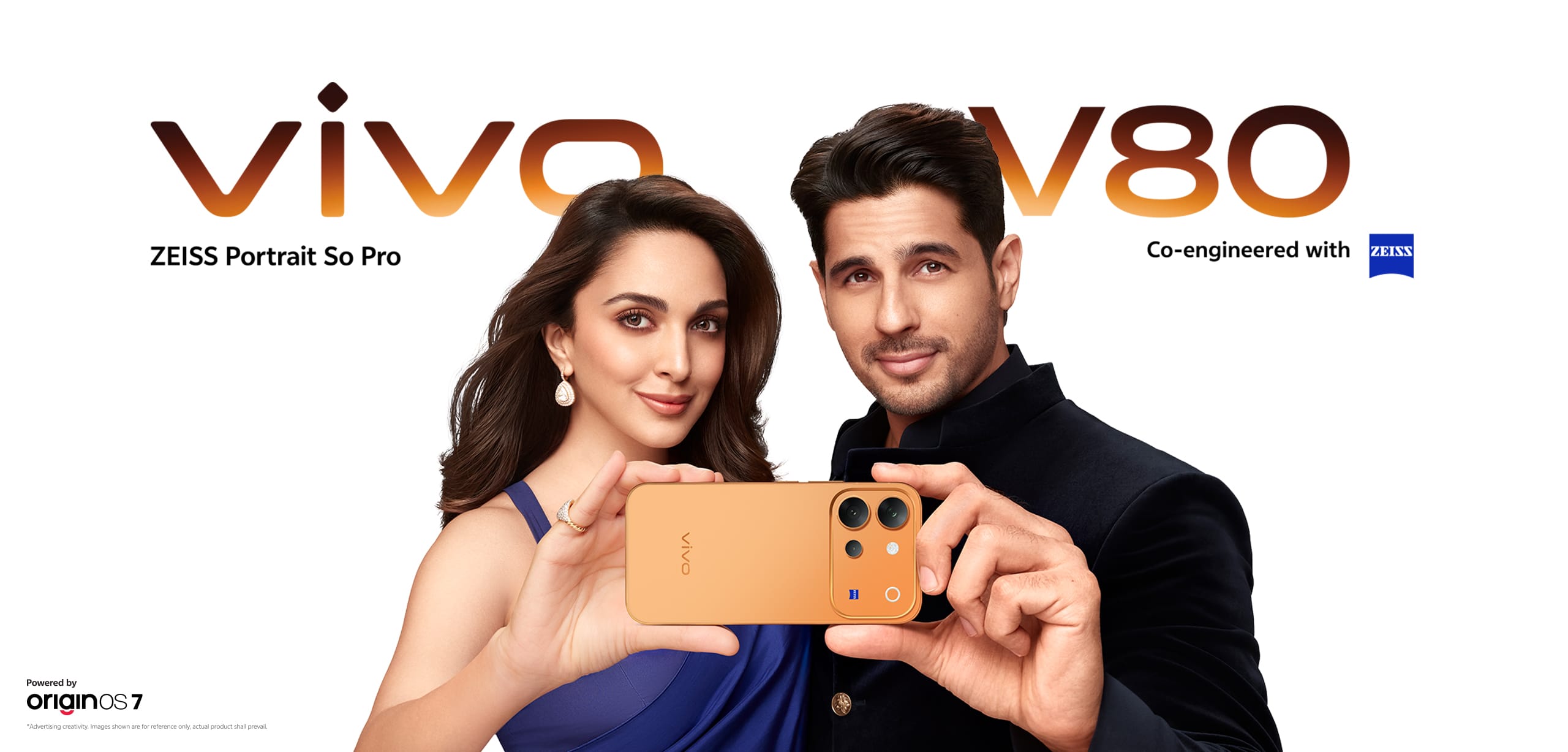
Is this surprice for you A new Vivo V-series phone launching in India usually means one thing: a camera-focused mid-ranger aimed squarely at people upgrading from a three-year-old phone. The V80 is no different in intent, but the specs Vivo itself has revealed ahead of launch — a very large battery, a genuinely bright display, and a camera system co-developed with ZEISS — suggest this generation is trying to punch above its usual weight class.
Quick Answer
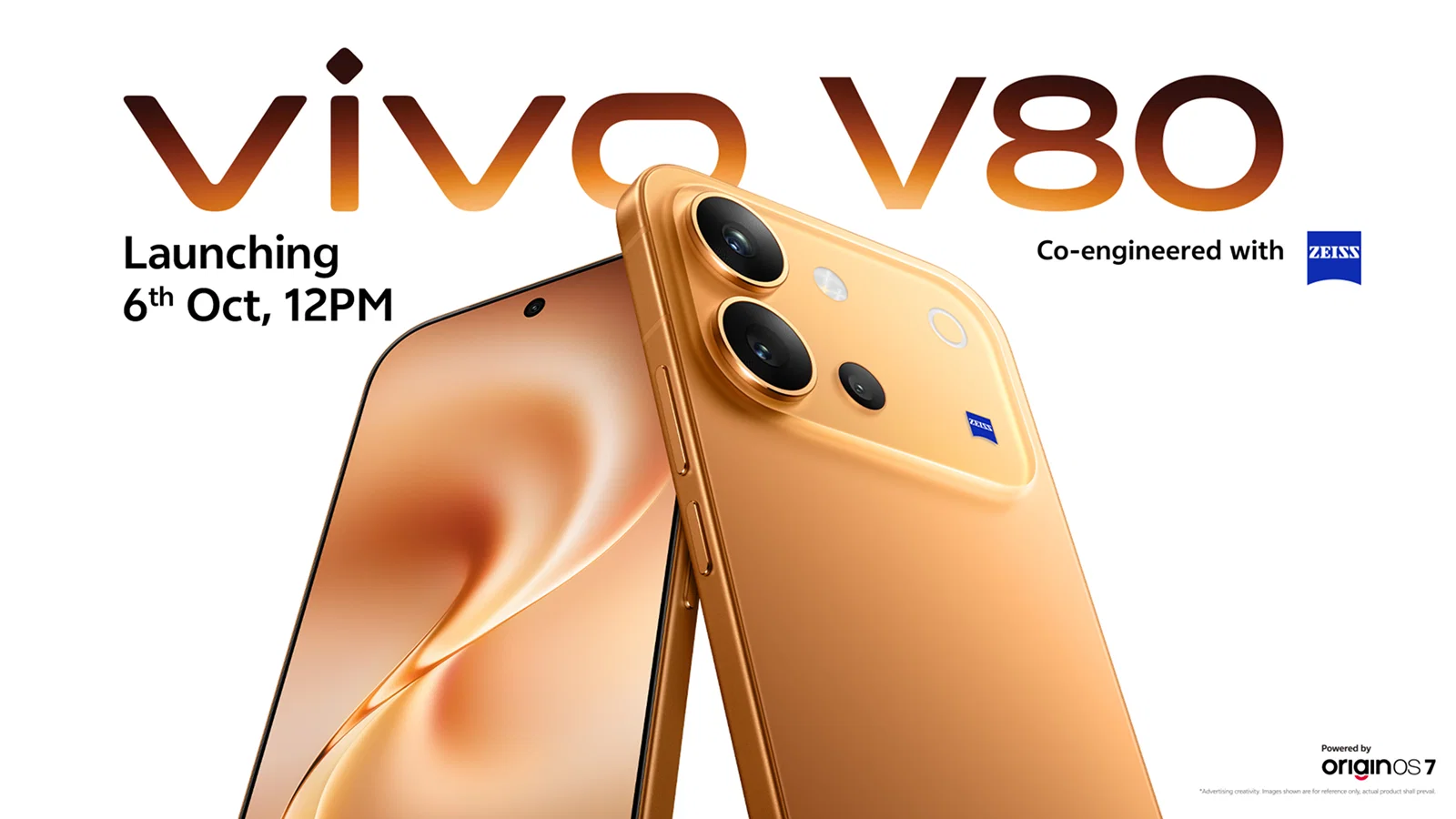
The Vivo V80 5G is confirmed to launch in India on October 6, 2026, at 12 noon, with Indian pricing not yet officially announced. Vivo has directly confirmed the display, battery, and charging specifications, while the exact processor and final price remain based on reports and leaks rather than official word. Industry estimates place it in the ₹48,000–₹62,000 range, putting it in direct competition with Samsung’s Galaxy A-series and Apple’s iPhone 16e.
Key Takeaways
- Vivo has officially confirmed the India launch date and time: October 6, 2026, at 12:00 PM IST.
- Vivo itself has revealed key specs ahead of launch, including a 6.59-inch 1.5K OLED display with 144Hz refresh rate and 5,000 nits peak brightness, a 7,200mAh battery with 90W charging, and a ZEISS co-developed camera system.
- The processor is not yet officially confirmed — different reports point to either the Snapdragon 7 Gen 4 or Snapdragon 8s Gen 3, so this should be treated as unresolved until Vivo’s spec sheet goes live.
- Expected pricing (₹48,000–₹62,000, based on industry estimates rather than an official announcement) puts the V80 up against the Galaxy A56 and iPhone 16e, both already established in that bracket.
- The phone is confirmed to run OriginOS 7 based on Android 17, and will reportedly be the first smartphone outside China to launch with OriginOS 7.
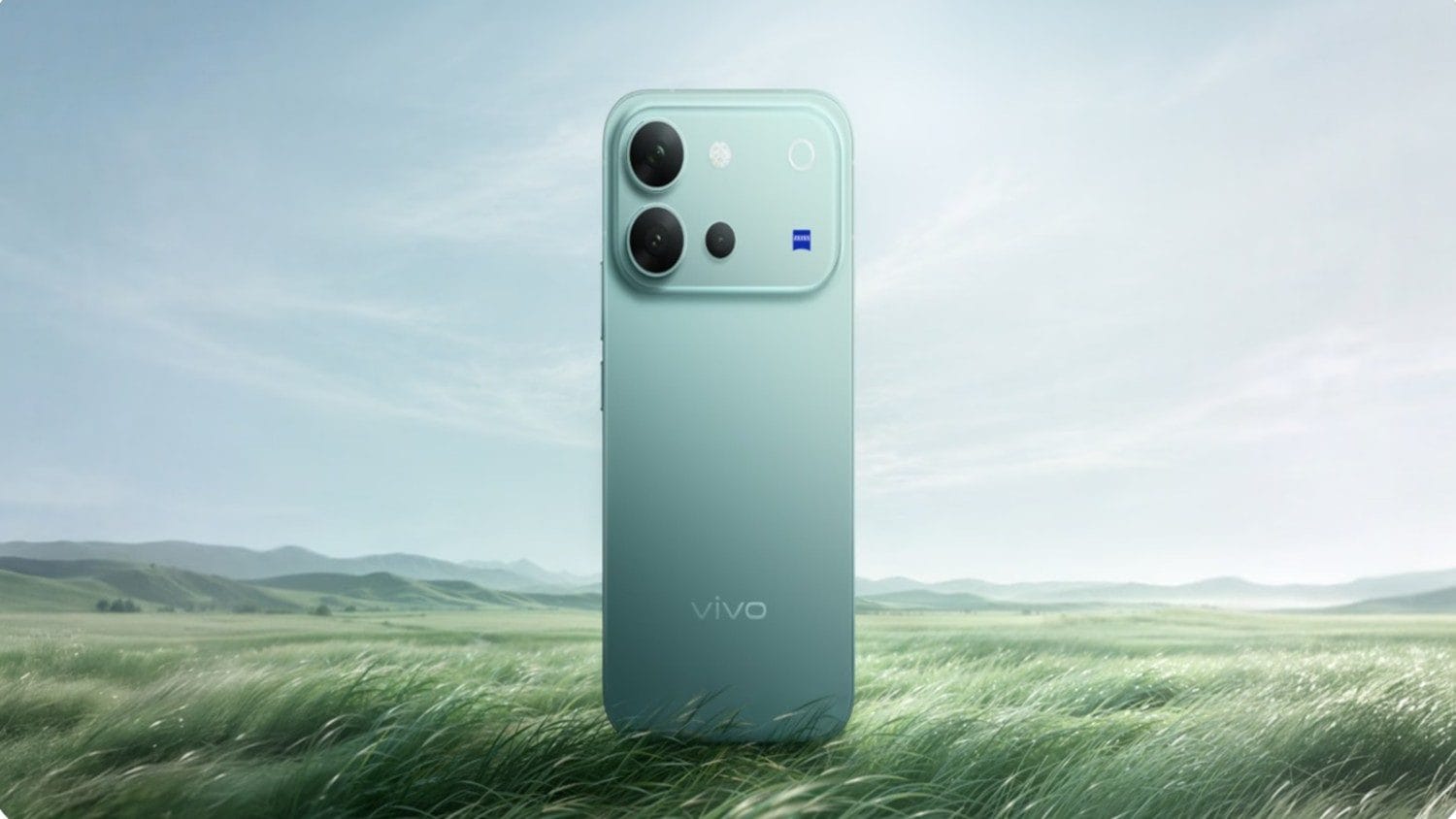
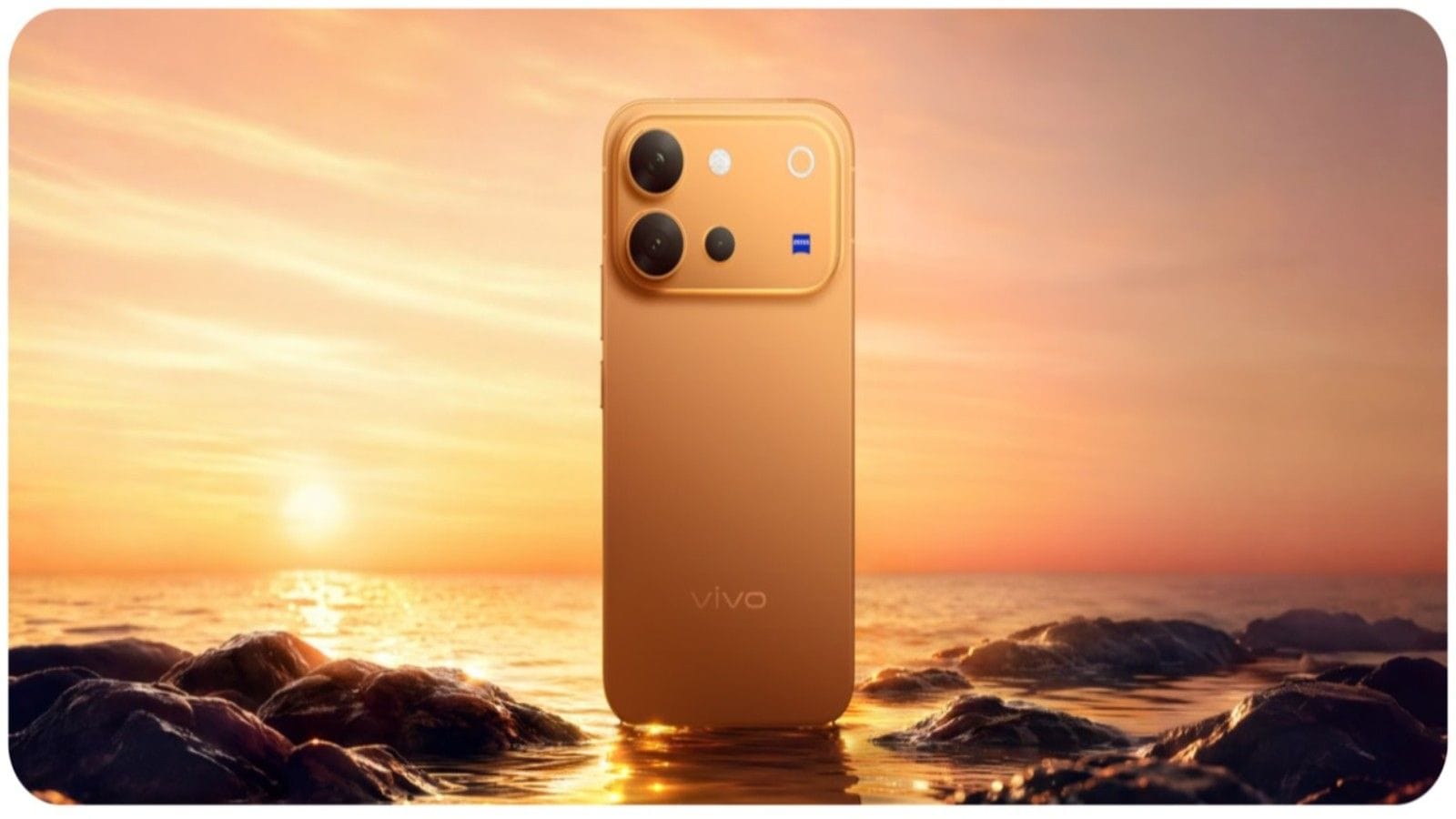
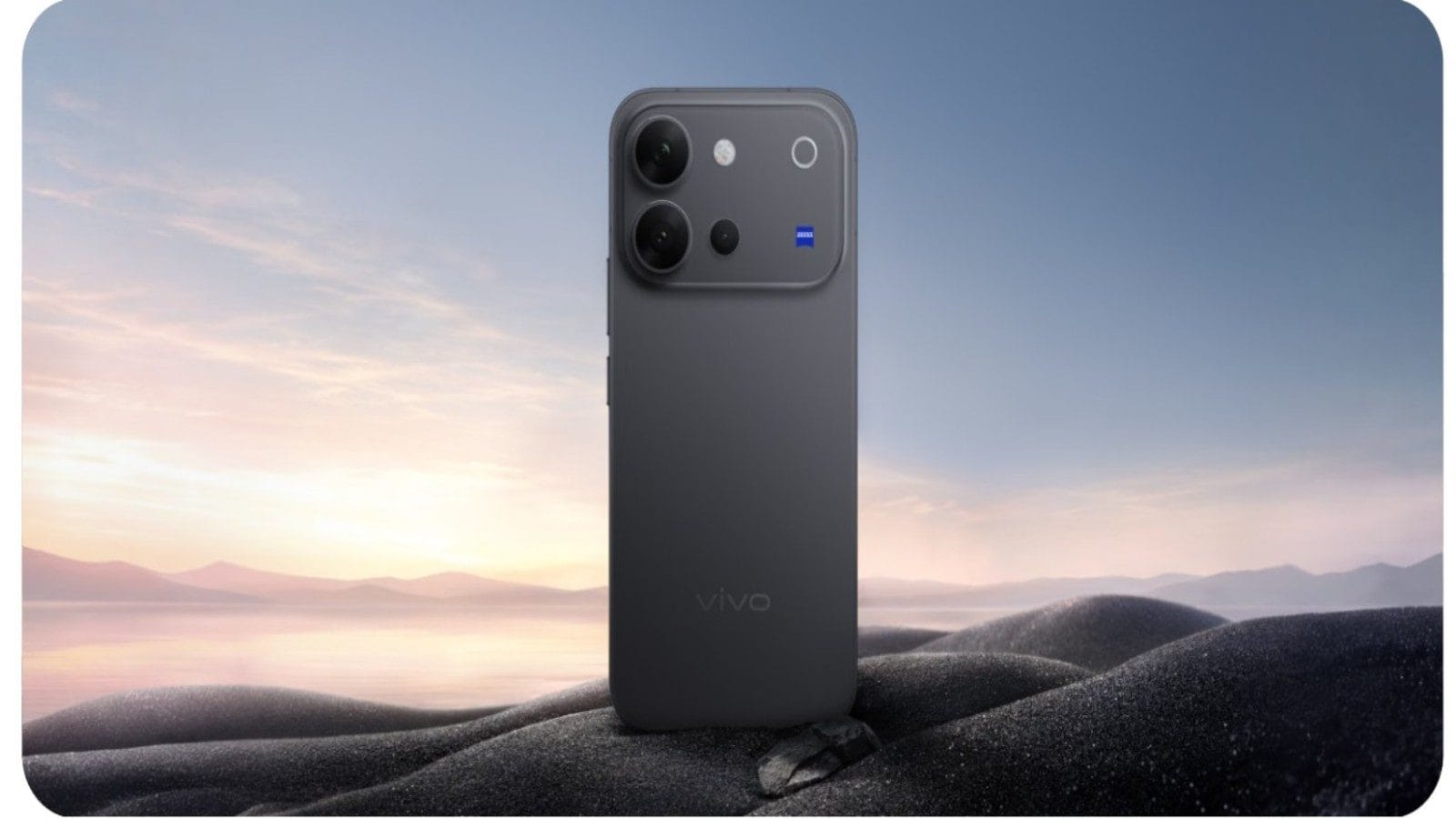
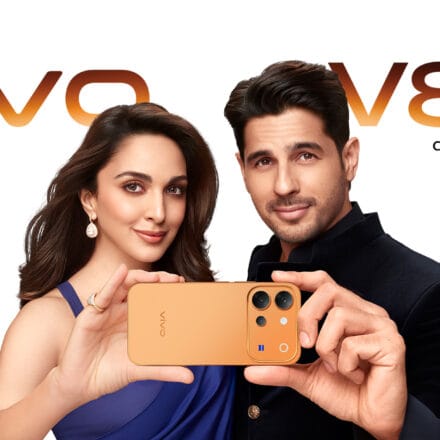
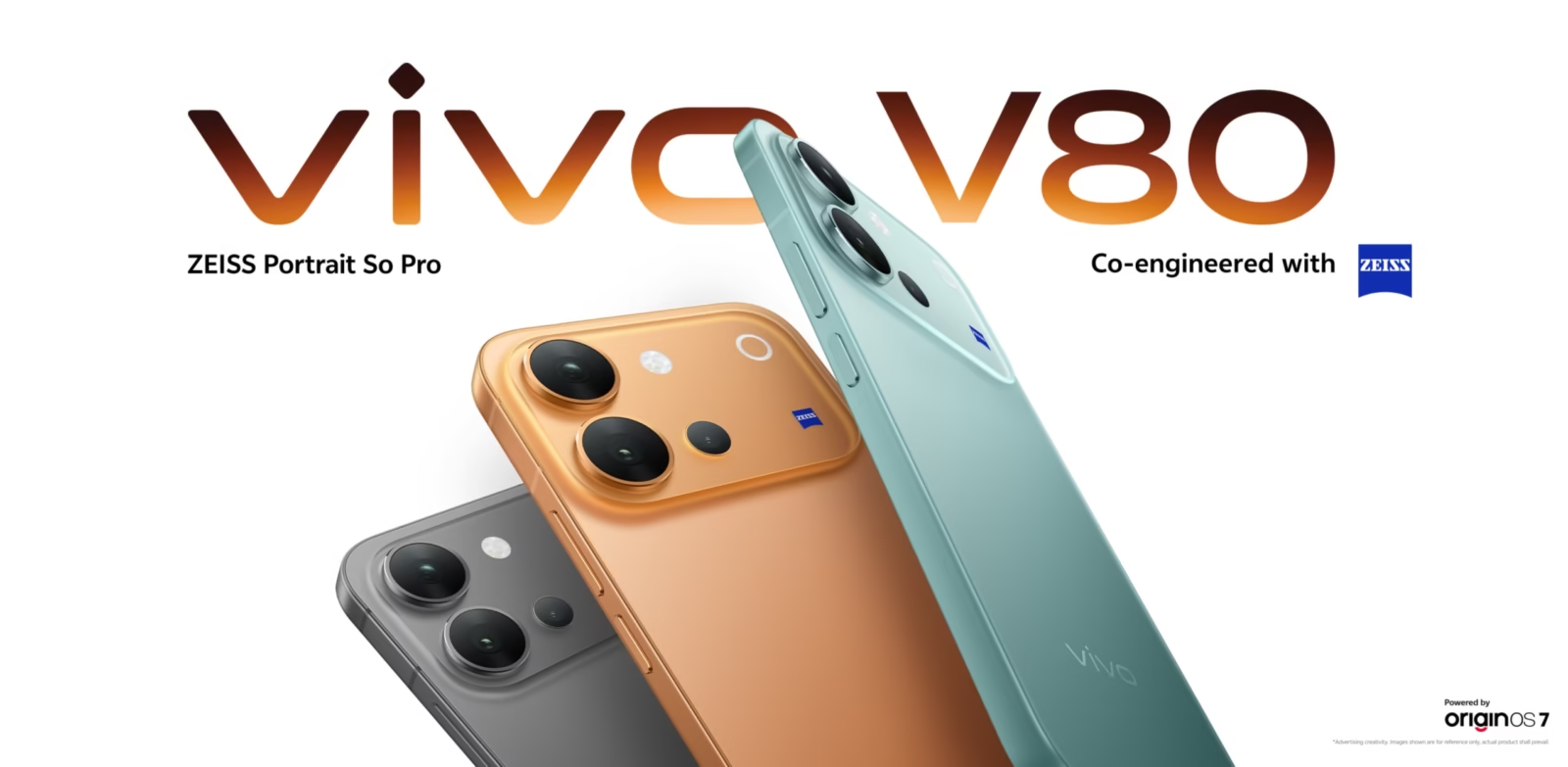
In above three variants are vivo officially says that actually brand unique color entry in market. Which color are best and what your favourite please one small comment give me in this article. How was it future of vivo v80 are your next move!
What Is the Vivo V80?
The V-series is Vivo’s mid-range camera-first lineup for India, sitting below the flagship X-series and above the budget Y and T lines. Historically, V-series phones have leaned on selfie camera quality and battery life to stand out, rather than raw chipset performance — a pattern that continues here, based on what’s been revealed so far. This year’s phone leans further into that identity with a ZEISS camera partnership and a battery capacity larger than any previous V-series device sold in India.
What Has Actually Changed?
Two things separate the V80 from its immediate predecessors on paper. Vivo has described the 7,200mAh battery as the largest ever fitted into a V-series handset in India, built using silicon-carbon battery technology to keep the phone from becoming noticeably thicker despite the larger capacity. That’s a meaningful jump from the roughly 5,000–5,500mAh batteries typical of recent V-series phones.
The second shift is software: this is expected to be the first phone outside China to ship with OriginOS 7 out of the box, built on Android 17 — a notable change from the Funtouch OS branding Vivo has traditionally used in India.
The Most Important Features
Display
The V80 uses a 6.59-inch 1.5K OLED display with a 144Hz refresh rate and up to 5,000 nits of local peak brightness, supporting 1.07 billion colours.
What it means in practice: a 144Hz refresh rate is a genuine step up in scrolling and gaming smoothness compared to the 90Hz or 120Hz panels common at this price a couple of years ago, though most users will notice diminishing returns past 120Hz in everyday browsing. The 5,000-nit peak brightness figure matters more concretely — it’s aimed at outdoor visibility under harsh Indian sunlight, a genuinely useful, practical improvement rather than a marketing number. Who may not need it: anyone who mostly uses their phone indoors or in shaded conditions won’t see much real-world benefit from the brightness ceiling specifically.
Battery and Charging
The 7,200mAh battery pairs with 90W FlashCharge wired charging, which Vivo says can take the phone to 50% in around 30 minutes under its specified test conditions.
Why it matters: battery anxiety is one of the most common reasons people upgrade phones, and a 7,200mAh cell is large even by 2026 mid-range standards — this should comfortably support a full day of heavy use for most people, and likely closer to a day and a half for lighter users. The limitation: Vivo’s charging time claim reflects controlled test conditions; real-world charging speed depends on the charger used, cable quality, and background phone usage, so treat the 30-minute figure as a best-case reference point rather than a guarantee.
Camera System
The rear setup reportedly includes a 50MP main camera with a Sony LYTIA sensor and OIS, a 50MP ZEISS telephoto camera with 3x optical zoom, and a dedicated ZEISS ultra-wide camera. Vivo has also confirmed India-specific software features including an AI Diwali Portrait 2.0 mode and custom Diwali photo frames.
Who benefits: buyers who prioritize portrait and zoom photography — the telephoto lens with true optical zoom is a genuine step up over the digital-zoom-only setups common in this price segment. Who may not need it: if your photography needs are mostly casual daylight shots and social media posting, the difference between this and a simpler dual-camera setup will be harder to notice in everyday use.
What This Means in Real-World Use
For someone upgrading from a three- or four-year-old phone, the practical gains here are battery life, display brightness under sunlight, and camera versatility — the three things V-series buyers have historically cared about most. The unresolved question is processor performance: until Vivo confirms the exact chipset, it’s not possible to say definitively how the V80 will handle heavier multitasking or sustained gaming compared to Snapdragon 8s Gen 3-powered rivals, versus a step below that with the Snapdragon 7 Gen 4.
Example Scenario
Imagine an Indian buyer currently using a phone from 2021–2022 who takes a lot of festival and family photos, streams video regularly, and finds their current battery barely lasting a workday. On the specs Vivo has confirmed so far, the V80 addresses exactly that use case — larger battery, brighter display for outdoor shooting, and zoom-capable cameras — more directly than it targets a competitive-gaming or productivity-heavy buyer.
Vivo V80 vs Samsung Galaxy A56 vs Apple iPhone 16e
| Factor | Vivo V80 (expected) | Samsung Galaxy A56 5G | Apple iPhone 16e |
|---|---|---|---|
| Display | 6.59″ 1.5K OLED, 144Hz, 5,000 nits | 6.7″ AMOLED, 120Hz | 6.1″ OLED, 60Hz |
| Battery | 7,200mAh, 90W wired | 5,000mAh | 4,005mAh |
| Main camera | 50MP + 50MP ZEISS telephoto (3x optical) + ultra-wide | 50MP + 12MP ultra-wide + 5MP macro | 48MP single wide (software 2x tele) |
| Chipset | Not officially confirmed (reported: Snapdragon 7 Gen 4 or 8s Gen 3) | Exynos 1580 | Apple A18 |
| OS at launch | Android 17 / OriginOS 7 | Android 15 (One UI) | iOS 18 |
| Price in India | Estimated ₹55,000–₹61,999 (unconfirmed) | ₹38,999–₹52,499 depending on RAM/storage | ₹69,900 (256GB) |
Not officially confirmed: final India pricing and exact chipset for the Vivo V80. These figures will be updated once Vivo’s official spec sheet and pricing go live on October 6.
No single phone here “wins” outright. The V80 leads on battery capacity, screen brightness, and telephoto zoom versatility, at least on paper. The Galaxy A56 currently undercuts it on price while offering a more mature One UI software experience and Samsung’s longer update commitment track record. The iPhone 16e sits at a noticeably higher price point but brings iOS, Apple’s ecosystem, and a single-lens camera system optimized primarily through computational photography rather than hardware zoom.
Who Should Consider It?
- Buyers upgrading from an older phone who prioritize battery life and outdoor screen visibility above raw processing power
- Anyone who values telephoto/zoom photography without stepping up to flagship pricing
- Existing Vivo/Funtouch users comfortable switching to the new OriginOS interface
- Buyers who want India-specific camera features like the Diwali portrait modes
Who Should Skip It?
- Gamers or heavy multitaskers who want certainty on chipset performance before buying — worth waiting for official confirmation of the processor
- iOS users invested in Apple’s ecosystem, for whom the iPhone 16e remains the more consistent choice despite the higher price
- Extreme budget buyers, since even the low end of the expected price range sits above the Galaxy A36 and similar sub-₹35,000 options
- Anyone who wants a phone with a long, proven Android update track record — One UI’s update policy on the A56 is better documented than OriginOS 7’s at this point
Important Limitations
- The exact processor is unconfirmed as of this writing — this affects gaming and multitasking performance directly, and buyers should wait for Vivo’s official specification page before assuming either the Snapdragon 7 Gen 4 or 8s Gen 3.
- Final India pricing has not been officially announced; the ₹48,000–₹62,000 estimates circulating come from industry sources and retail leaks, not Vivo.
- OriginOS 7 is new to the Indian market outside this launch, so long-term software update timelines and stability are unproven locally.
- No independent battery, camera, or performance benchmarks exist yet, since the phone has not launched — all performance claims above come from Vivo’s own pre-launch statements, not third-party testing.
Releted: Vivo S2 5G is officially launched Aug 6,2026
Price and Availability in India
Vivo will sell the V80 through the Vivo India Official Store, Amazon India, Flipkart, and offline retail outlets from launch. Industry estimates place the starting price between roughly ₹48,000 and ₹62,000, though this has not been officially confirmed by Vivo as of this writing. For context, the current Galaxy A56 5G ranges from ₹38,999 for the 8GB+256GB variant up to ₹52,499 for higher configurations as of early September 2026, and the iPhone 16e (256GB) is priced at ₹69,900 as of the same period. Actual V80 pricing will be confirmed at the October 6 launch event; readers should treat any number before that date as an estimate.
What We Know vs What Is Still Unconfirmed
Confirmed by Vivo directly:
- India launch date and time (October 6, 2026, 12:00 PM IST)
- Display size, resolution class, refresh rate, and peak brightness
- Battery capacity, battery chemistry (silicon-carbon), and charging speed
- ZEISS camera partnership and headline camera specifications
- OriginOS 7 / Android 17 as the launch software
Reported/expected, not officially confirmed:
- Exact processor (Snapdragon 7 Gen 4 vs Snapdragon 8s Gen 3)
- Final India pricing and exact storage/RAM variants
- RAM configuration (8GB or 12GB LPDDR5X, per some reports)
Final Take
On what Vivo has confirmed so far, the V80 looks like a genuine attempt to make the battery and display experience feel closer to flagship territory while keeping the camera identity that’s defined the V-series in India. Whether it’s actually a good buy comes down to two things that aren’t settled yet: the real processor, and the real price. Both should be clear on October 6 — until then, this is a phone worth watching rather than one worth deciding on.
Releted: Vivo X300 Ultra 5G 16/512GB
People’s Frequently Asked Questions
When does the Vivo V80 launch in India?
Vivo has confirmed the India launch for October 6, 2026, at 12:00 PM IST.
What is the expected price of the Vivo V80 in India?
Not officially confirmed. Industry estimates and retail leaks suggest a range of roughly ₹48,000 to ₹62,000, but Vivo has not announced final pricing as of this writing.
What processor does the Vivo V80 use?
This is unconfirmed. Different reports point to either the Snapdragon 7 Gen 4 or Snapdragon 8s Gen 3 — readers should wait for Vivo’s official spec sheet rather than treating either as settled.
Is the Vivo V80 better than the Samsung Galaxy A56?
It depends on priorities. On paper, the V80 has a larger battery, brighter display, and telephoto camera, while the Galaxy A56 currently costs less and runs a more established version of Android with a longer track record for updates. Neither is a clear win across every factor.
Does the Vivo V80 support 5G in India?
Yes — it’s a 5G smartphone, consistent with the rest of the V-series lineup in India in recent years.
How does the Vivo V80 compare to the iPhone 16e?
The iPhone 16e is priced meaningfully higher (₹69,900 for 256GB) and targets buyers already invested in iOS, while the V80 is positioned as a mid-range Android alternative with a larger battery and higher refresh-rate display. They serve different buyer priorities more than they directly compete.
Will the Vivo V80 get long-term software updates?
Not yet detailed publicly for this specific model. Buyers who prioritize long update support should wait for Vivo’s official update policy statement at launch rather than assuming parity with Samsung’s published update commitments.
Sources: Vivo Newsroom & GSMArena
Editorial / Testing Note Research-based: This article is based on Vivo’s official pre-launch statements and reliable tech media reporting available as of September 25, 2026. The device has not yet launched, has not been personally tested, purchased, or used by the author, and several specifications (notably the processor and final India pricing) remain unconfirmed. This article will need updating once Vivo’s official launch on October 6, 2026 provides final specifications and pricing.