
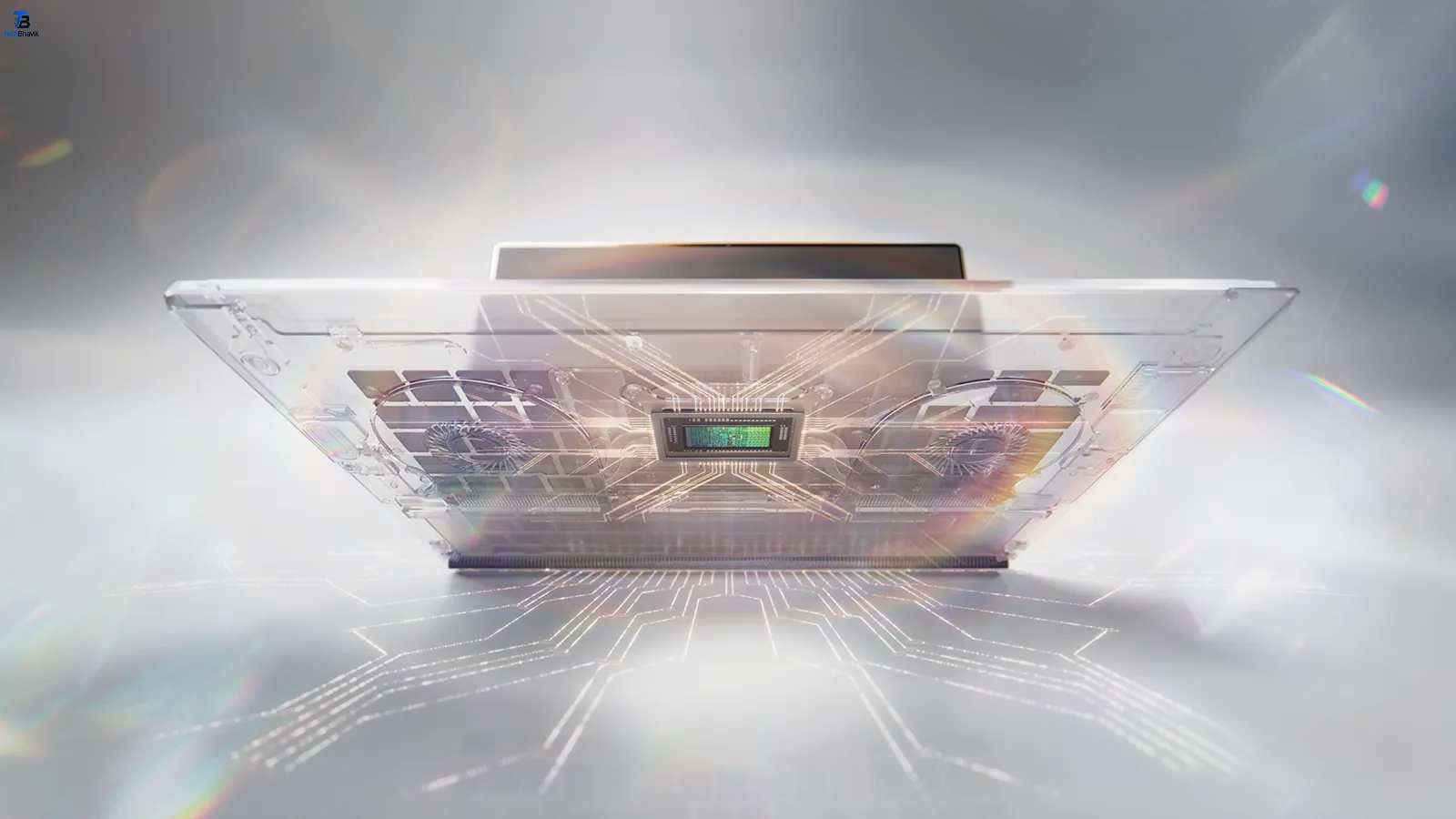
Nvidia RTX Spark: The AI Chip That Reinvents Your PC
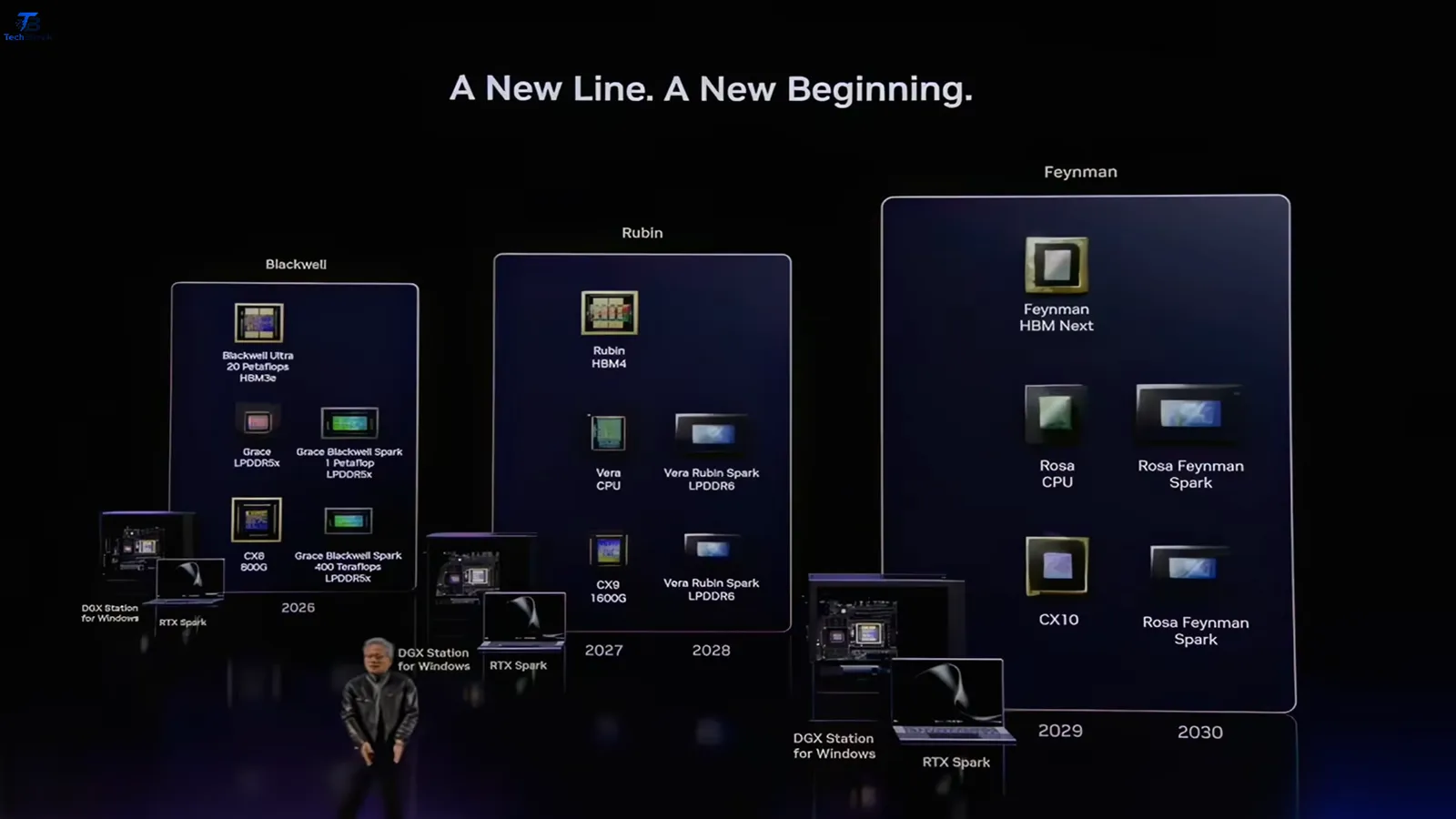
I Was Watching Jensen Huang Live — And My Jaw Dropped
I was following the Computex 2026 keynote live from Ahmedabad at 6 AM when Jensen Huang walked on stage and said Nvidia is reinventing the PC. Right then, he unveiled the Nvidia RTX Spark — a brand-new Arm-based superchip that puts a Blackwell RTX GPU and a 20-core Grace CPU inside a Windows laptop. And it can run AI agents completely offline on your device.
This is the biggest PC chip news in years. No cloud needed. No subscription for your AI assistant. Just raw, local intelligence built directly into your laptop.
I’m Bhavik Munjapara, the tech blogger behind TechBhavik.com from Gujarat. I’ve spent the last hour deep-diving into every spec, OEM announcement, and benchmark detail released today. Here’s my complete breakdown — everything you need to know right now.
⚡ Quick Summary — Key Takeaways
- What it is: Nvidia RTX Spark is a Windows on Arm superchip combining a Blackwell RTX GPU + 20-core Grace CPU via NVLink-C2C.
- Announced: Computex 2026, Taipei — by CEO Jensen Huang on June 1, 2026.
- AI Power: Up to 1 petaflop AI compute. Runs models up to 120 billion parameters locally.
- Memory: Up to 128GB unified LPDDR5X memory — shared between CPU and GPU.
- OEM Partners: ASUS, Dell, HP, Lenovo, Microsoft Surface, and MSI confirmed.
- Availability: Fall 2026 globally. India pricing not announced yet.
- Key Feature: Full CUDA support + DLSS 4.5 + local AI agents via Nvidia OpenShell.
What Exactly Is the Nvidia RTX Spark Superchip?
Think of RTX Spark as Nvidia’s answer to Apple’s M-series chips. But with one massive difference — this runs Windows, supports full CUDA, and is specifically engineered for local AI agents.
Nvidia built this chip in collaboration with MediaTek (who designed the CPU side) and with deep co-engineering from Microsoft. Jensen Huang called it a “three-year collaboration to reinvent the PC.”
The CPU side has 10 Arm Cortex-X925 performance cores clocked up to 4.1 GHz, plus 10 Arm Cortex-A725 efficiency cores. On the GPU side, you get Blackwell architecture with fifth-gen Tensor Cores — the same generation powering Nvidia’s data center AI chips.
What makes the memory architecture special? Instead of two separate memory pools — one for CPU, one for GPU — RTX Spark uses one single unified memory pool. That means large AI models, heavy 3D renders, and multi-model workflows all run simultaneously without hitting memory walls.
How RTX Spark Runs AI Agents Locally — Step by Step
Here’s how the whole RTX Spark AI stack actually works on a Windows laptop. I’ve broken it down into simple steps anyone can follow.
Install an RTX Spark Windows Laptop
You buy an RTX Spark laptop from ASUS, Dell, HP, Lenovo, Microsoft Surface, or MSI. It runs Windows on Arm natively. No Linux. No developer setup needed. It works like a normal Windows laptop — but smarter.
Nvidia OpenShell Runtime Loads Automatically
The Nvidia OpenShell runtime comes pre-integrated with Windows. This is what allows AI agents to run securely in the background. It also delivers up to 2X faster inference performance on top AI models via llama.cpp and vLLM.
Pull a Local AI Model (No Cloud Needed)
You can download open-source models — like Llama 3, Mistral, or Qwen — directly onto the device. With 128GB unified memory, models up to 120 billion parameters fit entirely on-chip. No internet. No API costs. No latency from cloud round-trips.
AI Agents Access Your Apps & Files
This is the most exciting part. AI agents on RTX Spark can interact with your apps, browser, files, and workflows — like a co-pilot that never leaves your laptop. Adobe and Blender have already rebuilt their apps for Nvidia RTX Spark-native performance.
NemoClaw Adds Privacy & Security Guardrails
Nvidia’s NemoClaw is an open-source security layer built on top of OpenShell. It adds privacy controls and safety guardrails to your local AI agents. For professionals handling sensitive data in India — like legal, medical, or finance teams — this is critically important.
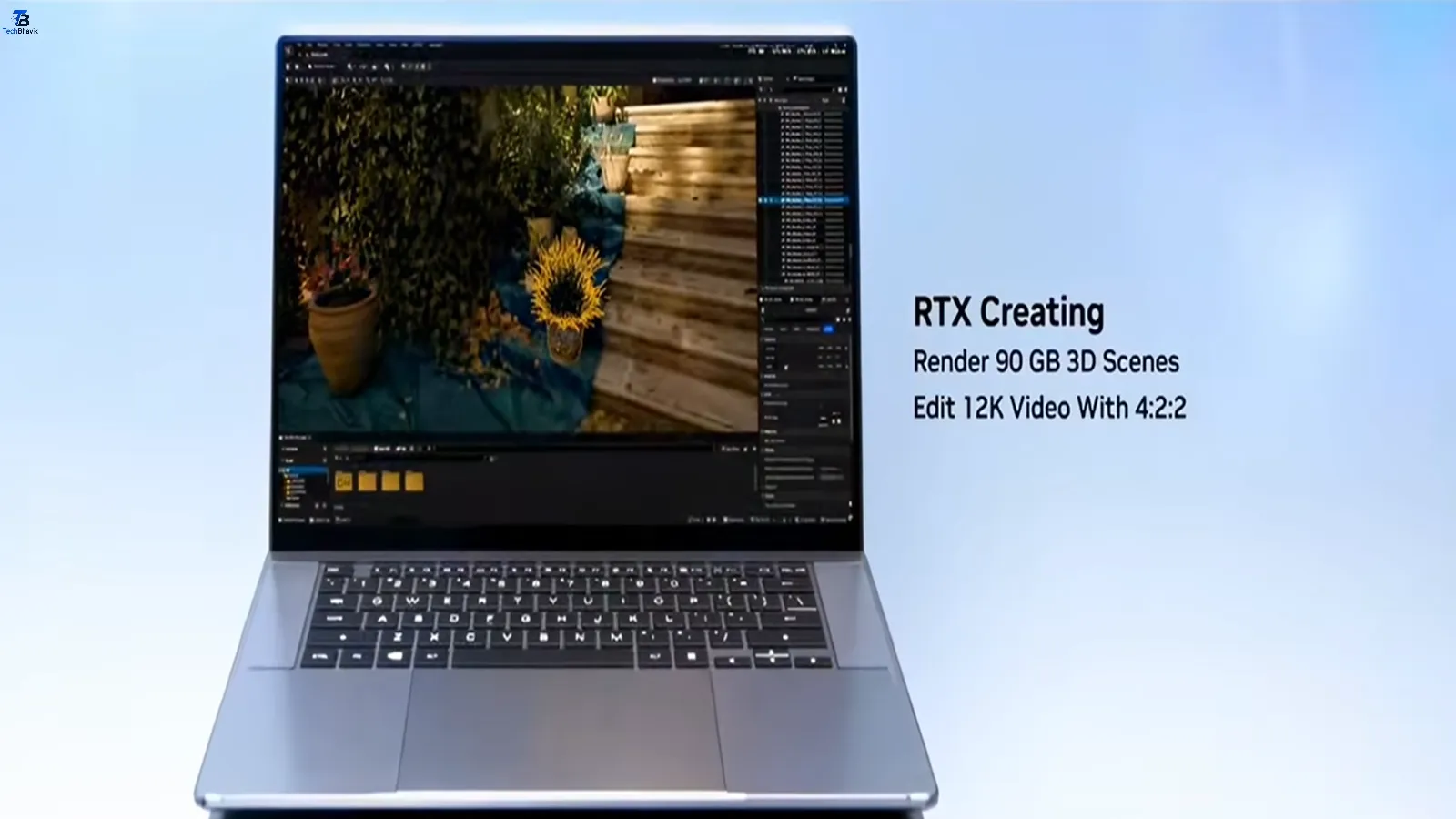
Screenshot from the Nvidia RTX Spark Computex 2026 press slides showing the AI performance comparison chart — RTX Spark vs Apple M4 and Qualcomm Snapdragon X Elite on local LLM inference benchmarks.
The outbound link below goes to the official Nvidia RTX Spark product page where you can see the full technical architecture:
🔗 [Official Nvidia RTX Spark Computex 2026 Announcement Page]Nvidia RTX Spark vs Apple M4 vs Qualcomm Snapdragon X Elite
Here’s the direct side-by-side I put together based on all publicly available specs as of June 1, 2026:
| Feature | Nvidia RTX Spark | Apple M4 | Qualcomm Snapdragon X Elite |
|---|---|---|---|
| Architecture | Blackwell + Grace | Apple Silicon (3nm) | Oryon (4nm) |
| CPU Cores | 20 Arm Cores | 10 Cores | 12 Cores |
| GPU Cores | 6,144 CUDA Cores | 10-Core GPU | Adreno X1 GPU |
| AI Compute | 1 Petaflop (FP4) | 38 TOPS (NPU) | 45 TOPS (NPU) |
| Max Memory | 128 GB Unified | 32 GB (Max SKU) | 64 GB (Snapdragon X2) |
| Memory Bandwidth | 270–300 GB/s | 120 GB/s | 134 GB/s |
| Local AI Model Size | Up to 120B params | ~13B params (practical) | ~13B params (practical) |
| CUDA Support | Yes — Full CUDA | No | No |
| Gaming (DLSS) | DLSS 4.5 | MetalFX | No DLSS |
| OS Platform | Windows on Arm | macOS only | Windows on Arm |
| Chip Interconnect | NVLink-C2C | Apple Fabric | PCIe / Fabric |
| Availability | Fall 2026 | Available Now | Available Now |
| India Pricing | TBA | From ₹1,29,900 | From ₹1,49,990 (approx.) |
My Analysis of the Comparison
The table makes one thing extremely clear: for AI workloads, RTX Spark is in a completely different league.
Apple M4’s 38 TOPS and 32GB max memory look modest against RTX Spark’s 1 petaflop and 128GB. That’s not a small gap. That’s roughly 26 times more AI compute in raw FP4 throughput. Apple’s strength remains its power efficiency and seamless macOS ecosystem. But for developers or professionals who want to run 70B+ parameter models locally? RTX Spark wins — and it isn’t close.
Qualcomm’s Snapdragon X Elite is the most direct Windows-on-Arm rival. It has competitive CPU performance and battery life. But it has no CUDA support, no DLSS, and its AI throughput caps around 45 TOPS NPU — whereas RTX Spark’s Blackwell Tensor Cores hit 1 petaflop. The memory bandwidth gap (134 GB/s vs 270–300 GB/s) also matters hugely for large model inference.
One honest caveat: RTX Spark has no discrete GPU capability. If you’re a hardcore PC gamer wanting the latest AAA titles at max settings, this isn’t the chip for that. Nvidia is clearly positioning RTX Spark for AI-first users, creators, and developers — not esports.
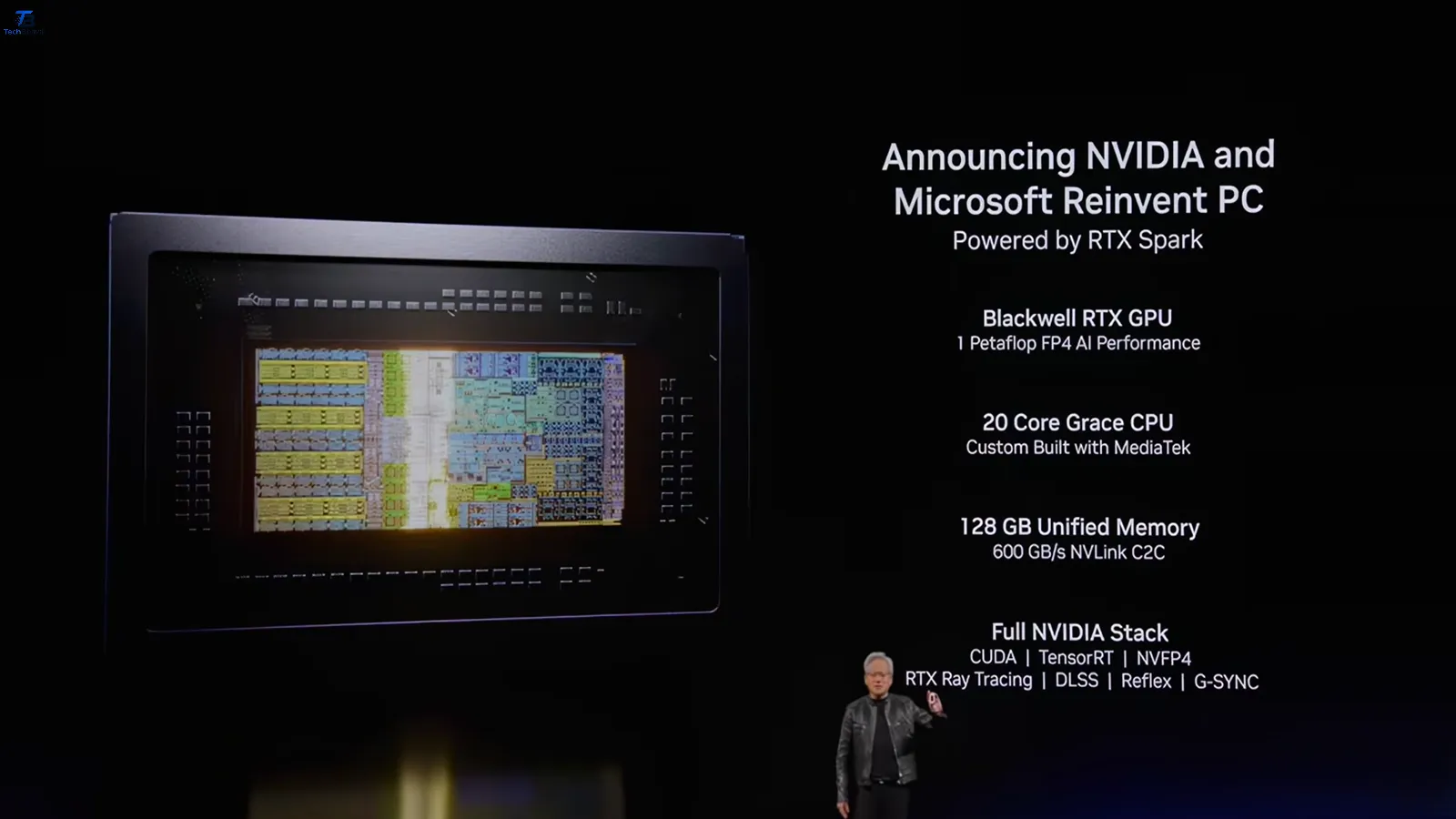
Screenshot from the Nvidia RTX Spark Computex 2026 press slides showing the AI performance comparison chart — RTX Spark vs Apple M4 and Qualcomm Snapdragon X Elite on local LLM inference benchmarks.
Pros & Cons — My Honest Assessment
I haven’t had hands-on time with an RTX Spark device yet — none of us have, since devices don’t ship until Fall 2026. But based on the full spec sheet, architecture deep-dives, and everything from the Computex 2026 keynote, here’s my honest take:
✅ What I Love
- 128GB unified memory — massive advantage for local AI model sizes no laptop has seen before.
- Full CUDA support — every developer tool, ML framework, and library in the Nvidia ecosystem just works.
- DLSS 4.5 — real gaming capability with AI upscaling, something Apple and Qualcomm can’t match.
- Local AI agents with privacy — NemoClaw security layer means sensitive data never leaves your device.
- NVLink C2C bandwidth — 270–300 GB/s memory bandwidth crushes the competition for model inference speed.
- Big OEM ecosystem — ASUS, Dell, HP, Lenovo, Microsoft Surface and MSI all onboard from day one.
❌ What Disappoints Me
- No dGPU support — you can’t add an external discrete GPU for heavier gaming loads.
- No India pricing yet — Fall 2026 global launch, with India pricing still completely unknown. Premium pricing expected.
- Windows on Arm app compatibility — some legacy Windows apps still won’t run natively. Emulation improves, but it’s not perfect.
- Agentic AI needs Windows 12 — the full vision of AI agents as a PC interface likely requires next year’s Windows 12 to fully shine.
- No battery life data yet — Nvidia hasn’t shared real-world battery life numbers, which is critical for a laptop chip.
- Premium pricing expected — DGX Spark desktop is $3,999 USD. RTX Spark laptops will almost certainly be premium-priced.
Final Verdict — Should You Wait for an RTX Spark Laptop?
The Nvidia RTX Spark is the most ambitious laptop chip announcement in years. It’s not just an upgrade — it’s a completely new category. A Windows laptop that can run 120-billion-parameter AI models locally, with full CUDA support, DLSS gaming, and enterprise-grade security guardrails built in? That’s genuinely new.
My one caution: wait for real-world benchmarks, battery life data, and India pricing before committing to a purchase. But if you’re building AI applications, doing serious creative work, or simply want the most powerful AI-capable laptop in 2026 — the wait will almost certainly be worth it.
✅ Perfect For
- AI developers and ML engineers
- Video editors and 3D creators
- Enterprise professionals handling sensitive data
- Researchers running large language models
- Tech enthusiasts who want the cutting edge
⚠️ Think Twice If
- You’re a hardcore PC gamer wanting 4K max settings
- You have a tight budget and can’t wait for price drops
- You rely heavily on legacy 32-bit Windows apps
- You need a laptop available right now — not Fall 2026
- You’re fully invested in the Apple ecosystem
Frequently Asked Questions
Here are the top questions people are asking about Nvidia RTX Spark right now:
📖 Recommended Reading
Highest Paying Programming Languages to Learn in 2026
Discover which coding languages command the biggest paychecks and dominates the tech industry this year.
Blueprint for Scoring Remote Freelance Tech Jobs With Zero Experience
A complete step-by-step roadmap to land your first remote tech client without a portfolio.

B.L. Munjapara is the founder of TechBhavik.com and a technology writer specializing in AI tools, smartphone rankings, software guides, gadget reviews, and global technology trends. He helps readers understand emerging technology and make smarter digital decisions.
Great read, Bhavik! I’m really fascinated by the NemoClaw privacy layer you mentioned for local AI agents. With data privacy becoming such a massive deal in India, that alone might make this worth the premium price tag for professionals. Do you think the initial Windows on Arm app emulation will hold back its performance at launch, or has Microsoft optimized it enough this time around?